Where to find replacement sewing machine manuals

One of the best sources of information on how to operate and care for your sewing machine is the MANUAL.

Image generated using AI feature in WordPress

As part of the sewing machine maintenance class I teach, I make sure each student has a copy of their sewing machine manual. A short survey is sent out prior to class asking about the machine they plan to bring to class. If a student indicates they don’t have a manual, I’ll search for one and send them a link where they can download a copy. (One advantage to having a librarian as your teacher!) During class, I emphasize the importance of saving a pdf copy to Google drive or somewhere online so that they can access it quickly if the original manual gets lost or left at home.

PDF downloads for most modern and many vintage models can be found online for FREE. Sometimes you have to try 2-3 different websites before you can locate the free pdf file, but those few extra minutes could save you $6-$20. If you prefer a printed or original copy of your manual, skip the free sources and head straight to the paid resources.

All I need is a FREE pdf download and I’ll print it myself:
1. Download directly from the sewing machine company’s website. Navigate to the site – Brother, Baby Lock, Bernina, Juki, Janome, Singer/Pfaff/Viking. You get the picture. Once there, look for a link to SUPPORT.
2. Try Pocono Sew & Vac. Search for your machine. Scroll down the sidebar to FREE digital manuals.
3. If you have a Kenmore, try searching Sears Parts Direct. Enter your model number. Ignore the graphic that doesn’t look anything like your sewing machine and click on Manual to retrieve. This link probably has the test link to my old Kenmore machine. Merely replace the model number with your own.
4. Try Manualslib.com. You may also be able to locate free service manuals here. Note that a watermark may appear on some of the files you download.

Vintage machine, but no luck with the above resources?
Try the ISMACS website and look to see if they have your manual.
Join an enthusiast group for your machine on Facebook and look under the FILES section.

Not available for free or I want a print copy:
1. Manualsoncd.com
2. Sewingpartsonline.com
2. Ebay
3. Etsy

Ebay is a great resource for original manuals for older sewing machines or enhanced reproduction copies of original vintage manuals. High quality reproduction manuals for popular vintage machines like the Singer Featherweight and Singer 301 can be found at many niche online retailers who specialize in these specific models.

My personal test:
Test machine #1: Elnita EC30 – Available on Elna USA site, Pocono Sew & Vac, plus I picked up a free service manual on Manualslib.

Test machine #2: Kenmore 30 stitch model 18830. Found on Sears Parts Direct for free. Found watermarked copy on manualslib for free. Found exact same pdf download from Sears Direct Site for sale at manualsoncd, and sewingpartsonline, plus at least one seller on Etsy. If I needed a print copy, I would buy from sewingpartsonline.com

I have purchased printed reproduction instruction and service manuals for my Singer Featherweights and 301. The large print version for the 301 I bought off Ebay is fabulous and well worth the money.

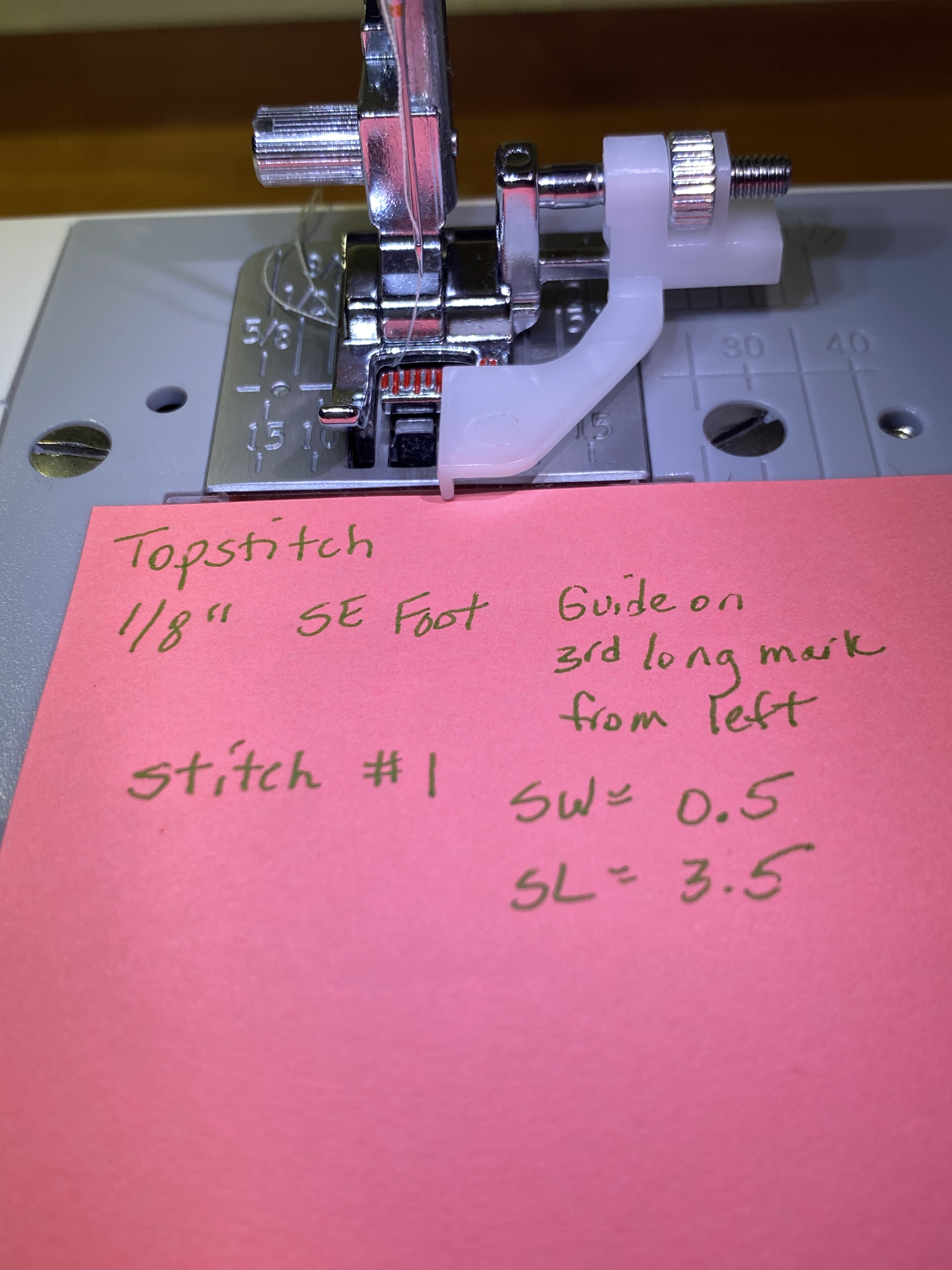
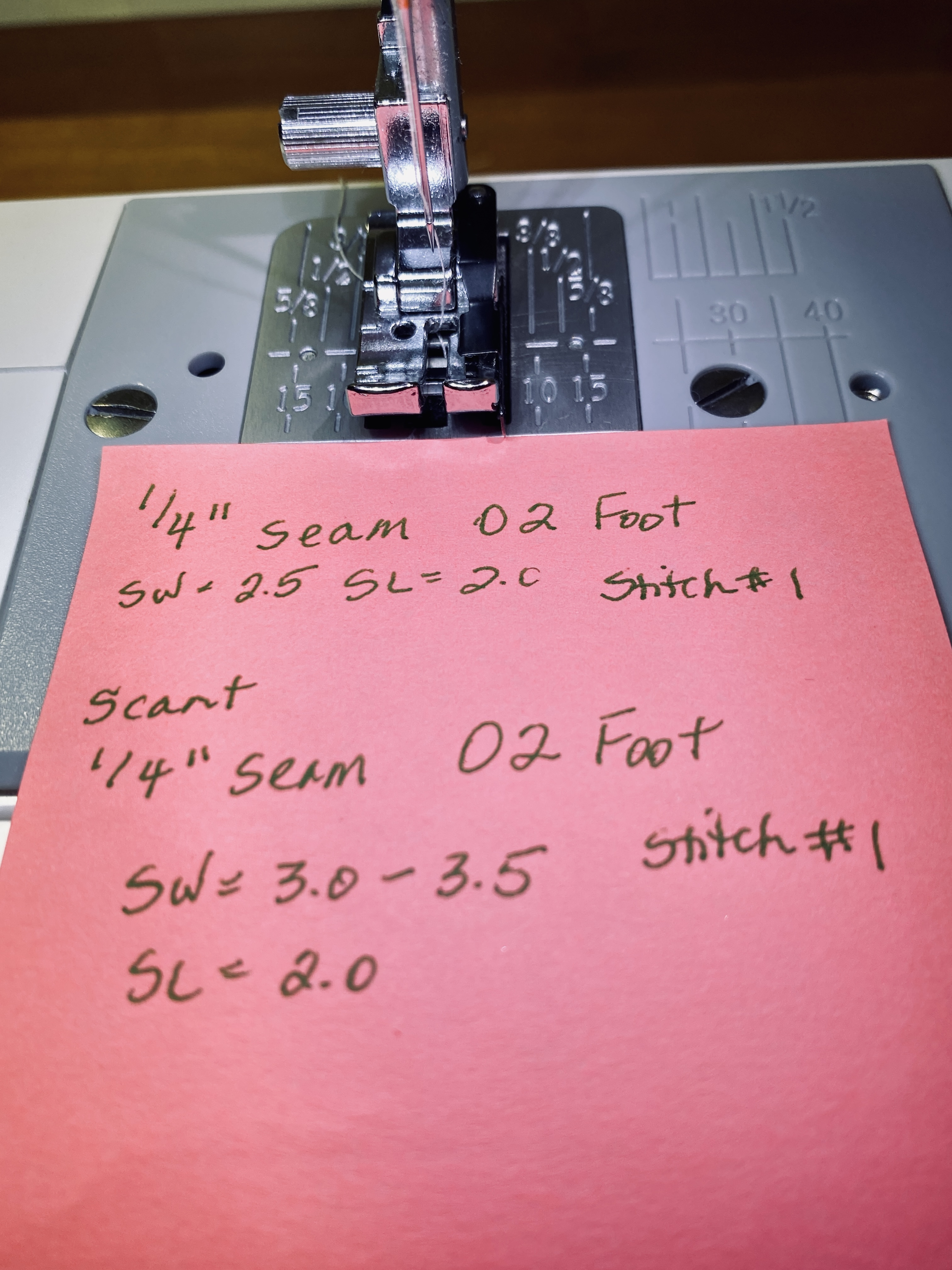
Tip: If you regularly take your machine to classes and retreats, print off a copy of your manual and stick it in a 3 ring pocket folder. Put a sticky note on the front cover that includes your preferred settings for 1/4″ seam, 1/8″ topstitch and any stitches commonly used for machine applique. Leave the pocket folder in your machine’s travel case.


Learn to use the sewing machine you have

Thirty years ago, a wise old sewing machine repairman shared the following advice with me, “You don’t need a new machine, you need to learn how to use the one you have.” This was in response to me whining I really needed a new machine like the one he had for sale in his shop so I could do certain sewing techniques. My 60’s era Elna SU from the Atlanta Public Schools surplus is long gone; however, Mr. Vinson’s words still ring true in 2025.

Carefully curated social media plays right into our ongoing struggle with bright shiny object syndrome. Do you watch project tutorials from ambassadors of Baby Lock, Bernina and Janome sewing machines? Those machines they are using are the TOL machines. Same goes for all the sewists who whiz through things on their Juki machines. The really well known Juki users seem to be migrating toward industrial versions nowadays. While there is certainly educational content in the project tutorial, it’s also designed to sell you a new sewing machine or companion products.

Remember this: you do not need a fancy machine to make the same project. Look carefully. Most projects use use a straight stitch or zigzag stitch. Sure, fancy stitches might be used on a project, but you can just as easily substitute a different stitch on your machine or add ribbon and trim instead of fancy stitches. If doing applique, use a small zigazag instead of a blanket stitch. If you don’t have the curvy serpentine stitch that’s so popular right now, experiment with a 3-step zigzag stitch. Remember, the purpose of these tutorials showcasing the TOL machines is to SELL machines. Learn how to use the machine you already have.

How can you learn more about your sewing machine?

  • Read your sewing machine manual.
  • Watch instructional videos from the sewing machine company’s website or search YouTube for tutorials on your specific machine. Bet you’ll find more than one.
  • Make a stitch sampler. Stitch out about 6″ of each stitch on a piece of fabric. Adjust the stitch settings to see what you like best. Record them on a sticky note or directly on the stitch sampler.
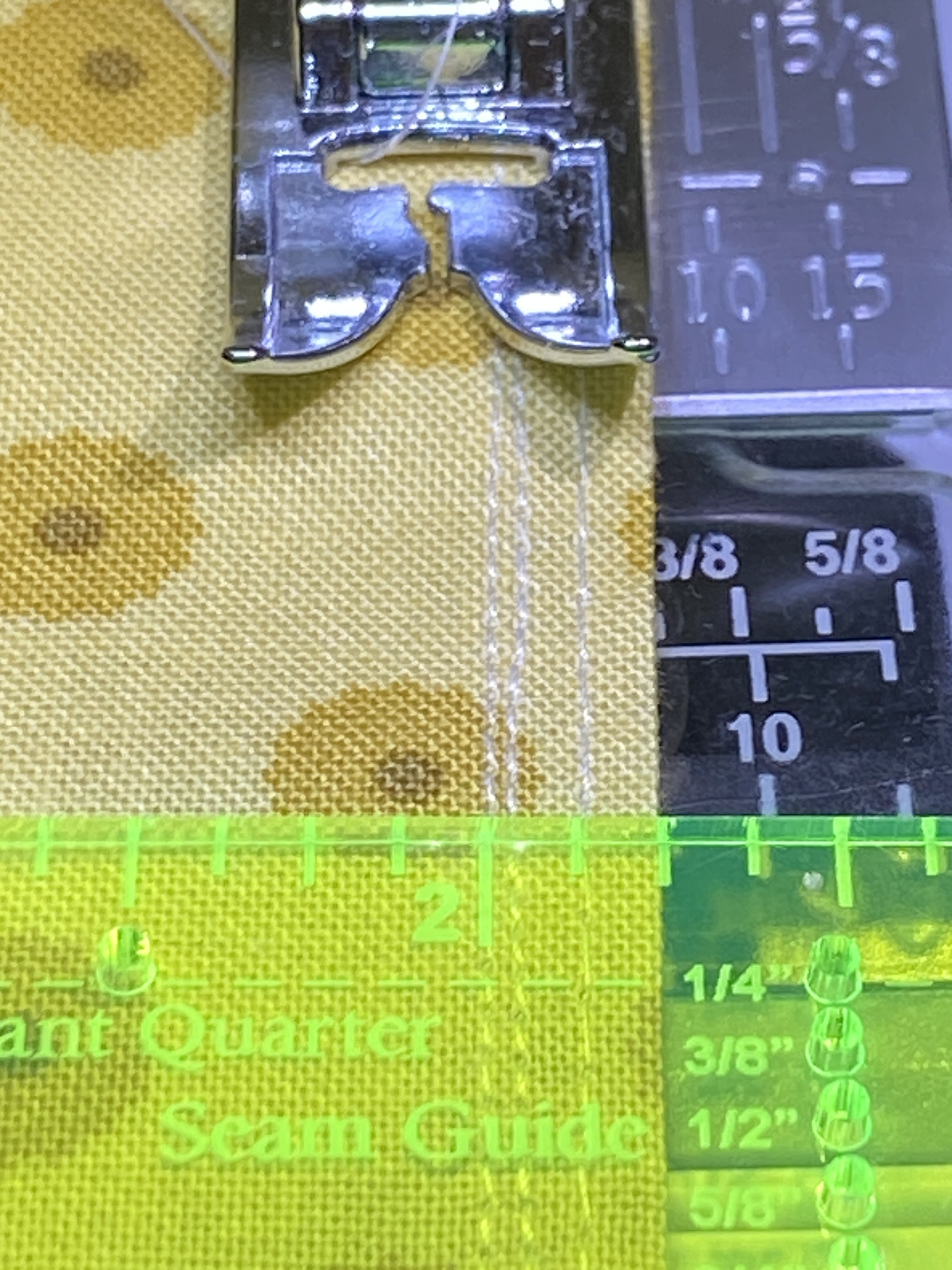
  • Spend time each week trying out each presser foot that came with your machine. Figure out the best way to consistently topstitch 1/8″ from the edge and how to get a scant 1/4″ seam. Write those settings on a sticky note and put it on the front cover of your sewing machine manual for easy reference.
  • Visit the local dealer or sewing machine company website to see if there’s a hack, new foot or accessory that might make sewing easier or more enjoyable for you.

My helpful hint for those with the $88 Brother mechanical machine from the big box store: buy a walking foot. A number of students brought these machines to my kid’s sewing classes over the years. They are good for basic mending, piecing quilt blocks and sewing craft projects. However, my students struggled with the machine when it came time to sew anything more than two layers of quilting cotton – like a potholder or placemat. Adding a walking foot was an inexpensive solution.

Joann’s future is doubtful

The winning bidder of the bankruptcy auction was a partnership of Great American Group and some of the lenders. They bought the assets of Joann with the intent of liquidation rather keeping it as a going concern. The bankruptcy court will approve/disapprove of the sale on February 26th. This means all 800+ stores will most likely close on or before May 31, 2025. FYI, Great American is the same group that liquidated Hancock Fabrics almost 10 years ago.

The Hancock’s closures didn’t bother me as much as the closure of Joann does. I have a personal history with Joann. Cloth World, the fabric store I grew up with, was bought by Joann in 1994. Shortly after, I helped reset one of the Gwinnett Cloth World stores to the new Joann format. As we moved around the country with hubby’s job, finding the local Joann store in our new town was the same priority as finding the nearest library. I am a librarian, after all.

With the closing of Joann, crafters have lost a major option in where to buy supplies. In some areas, Joann is the only fabric/craft store for miles around. Even in markets served by Amazon, Hobby Lobby, Michael’s and Wal-Mart, some crafters refuse to shop any and all of these stores for various reasons. Besides, Joann is open on Sundays and allows Sadie to shop with me. The teacher discount and sales meant this teacher could afford to do craft projects with her students without breaking the bank.

Practical me has been surveying my fabric and notion stash to see if there’s anything I need to stock up on should I find a great price during the closing sales. Honestly, I don’t need a thing at the moment. Should I need more Pellon SF-101 interfacing for a t-shirt quilt currently in the queue, I have other ways to get it. Hobby Lobby usually runs a 40% off fabric promotion every 2-3 weeks. Today, I learned that interfacing by the yard is included in that promotion. Bonus? Hobby Lobby is much closer to home, too!

Fortunately, we still have options to source materials our creative endeavors. It’ll be an adjustment to figure out where’s the best place to get certain things from now on, but I’ll survive. Something will eventually come to the marketplace to fill the void left by the closure of Joann stores.

Photo by Photo By: Kaboompics.com on Pexels.com