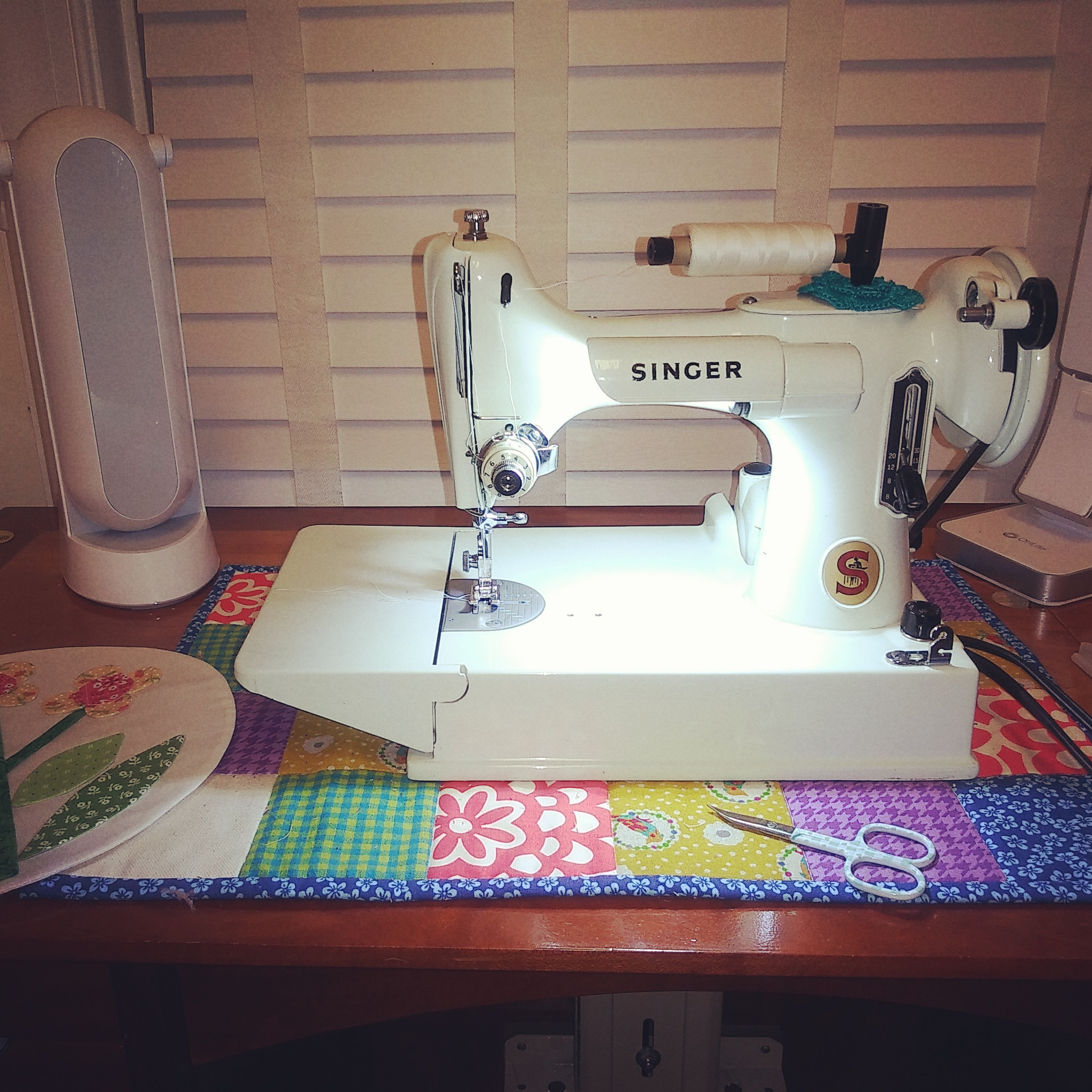
Janome Jem Gold 660 preset stitch length and width measurements

The Janome Jem Gold 660 is a wonderful sewing machine. However, it features stitches that come with preset stitch length and width. I could not find stitch length and width measurements anywhere for the straight and plain zigag stitches. I even called Janome. Their USA customer service didn’t have the info either.

Some experts recommend disregarding any sewing machine without adjustable stitch length and width. For most sewists, preset stitches are really not that big of a deal unless you are taking a class that requires decorative stitches and uses heirloom sewing techniques.  The Jem Gold 660 is perfectly fine for quilting classes, raw edge & Lori Holt appliqué projects, plus most garment sewing applications.  It also makes a great travel machine.

Following is my best approximation of the actual stitch length and width for the preset straight and zigzag stitches only:

Straight stitch length

Small  1.7 mm – 15 stitches per inch (anything where foundation paper is torn away after stitching)

Medium 2.5 mm   – 10 stitches per inch (95% of your sewing will be done with this stitch)

Large 4.0 mm  – 6 stitches per inch (basting and gathering)

Zigzag stitch width x length

Small  1.5 mm x 1.5 mm (appliqué  – most of your appliqué will probably use this stitch)

Medium   3.0 x 3.5 mm (appliqué, decorative, seam finish)

Large  5.0 x 2.5 mm  (seam finish, decorative)

(I measured actual zigzag stitch samples with a metric ruler.)

* In a pinch, you could probably use the narrow and wide stitches in the 4 step buttonhole for a satin stitch!


Why I keep a sewing kit @ work

Sometimes I feel like the company clerk on MASH – you know the guy who had or could find you almost anything?  Even with sewing studio B dismantled because we no longer do clubs at school, I keep a super stocked sewing kit in my office.  That plastic bin probably knows the school’s layout as well as I do because so many people have borrowed it!

Today, the new music teacher came to discuss a small hole in her daughter’s leotard.  Fortunately, I had polyester thread and appropriate hand sewing needles in the box. What she really needed, though, was a 2″ square of black, fusible knit interfacing to reinforce the hole prior to stitching it. My coworker showed me her handiwork as we left school for the day.  She did a nice job. I hope the repair held through her daughter’s competition this evening.

You can easily make your own mini-sewing kit by repurposing a small hinged metal or plastic box (like an Altoids tin).  Wind bobbins of white, medium tan and black polyester thread.  Include thread conditioner, a thimble and some hand sewing needles. A small pair of stork scissors adds a nice touch.  A needle threader is a necessity for me.  Place your needles and a few straight pins on a small piece of felt.  Add a few wonder clips,  safety pins and translucent shirt buttons – you’re all set. Some folks like to add a small magnet (needle minder) or a tape measure. Add whatever items you need – it’s your sewing box.

The value of another perspective

I forgot my lunch today.  😦

Picture this: leftover Zaxby’s House Zalad with fried chicken and extra tomatoes from my garden, plus just a drizzle of Newman’s Own honey mustard dressing (my fave).

Sound good?

Well, my mid-day feast turned out to be chicken nuggets, raw veggies and unsweetened applesauce from the school cafeteria.  As I sat in the library “feasting” on chicken nuggets, one of the custodians came by to say hello and asked what was for lunch. I recounted my tale of woe about having left my delicious salad at home. She laughed with me and then went on to point out that “the Lord provided the food now, so I should look forward to having dinner already prepared when I get home.”  WOW!  I love her wisdom and insight. She always has a sunny disposition and tries to look on the bright side – even though her personal circumstances are difficult at best. My mood improved and the normal daily irritations rolled right off my back.  All because she brought a different perspective to my situation.

As I scroll through my Facebook quilting feed, I can’t help but marvel at the willingness of strangers to give their opinions when asked and the fact that some groups have developed such a feeling of nonjudgmental closeness (if there is such a thing) that members feel comfortable putting their projects and questions out there for feedback from the group. It’s like getting feedback on your project from staff at the local quilt shop when you can’t get to the shop in person.  This new perspective may provide you with motivation to keep going, permission to toss the project in the garbage (gasp!), or awareness about a different technique/colorway to make your project event better.

Of course, you have to keep an open mind when you ask for feedback. It may not be what you wanted to hear, but do graciously thank (and “like”) the comment that the person took the time to write.  It’s only fair.  Oh, and take the time to share your perspective when asked.