Revisiting cross-stitch after a L-O-N-G hiatus

Cross-stitch was really popular when hubs and I got married many moons ago. Eventually, the quilting bug bit and I set my cross-stitch supplies aside. However, there’s this one unfinished project that’s left me frustrated every time I pull it out to work on it.

I took the unfinished project to my Friday sewing group at the library. Their recommendations: (1) stitch using a really bright task lamp and a pair of slightly stronger reading glasses. 2) DO NOT RIP OUT any existing stitching. Merely blend the four colors (which are one shade apart) in that section as best I can and keep on going. Wise advice. I’ve made noticeable progress.

At the JK Quilts 2025 spring retreat, one of the daily projects featured a tulip cross-stitch design with Sulky 12 wt thread over 14 ct Aida fabric. I didn’t actually start the project until after I returned home, but I’ve actually enjoyed cross-stitching again! I like the sheen and feel of the Sulky thread and not having to manage 6 strands of traditional DMC floss. (A single thread of 12 wt thread equals 2 strands of traditional DMC floss). The 14 ct white/off white Aida cloth was much easier for me to see with standard reading glasses and overhead lightling.

If you like to stitch for a good cause, the Haven 2026 Charity Quilt & Stitch Along with Fat Quarter Shop has a new start date – Friday, July 3rd! Find all of the updated details here. This means you still have time to order a quilt kit or pull from your stash (and your friends’ stashes)!

This morning, I pulled supplies from my stash to make the cross-stitch version of Haven. I need a small, portable handwork project for upcoming travel and shortened summer sew days at the library. I’ll actually stitch it using Sulky 12 wt thread over 14 ct Aida cloth. Other than white, there are no exact DMC to Sulky matches for this project on the color conversion chart.

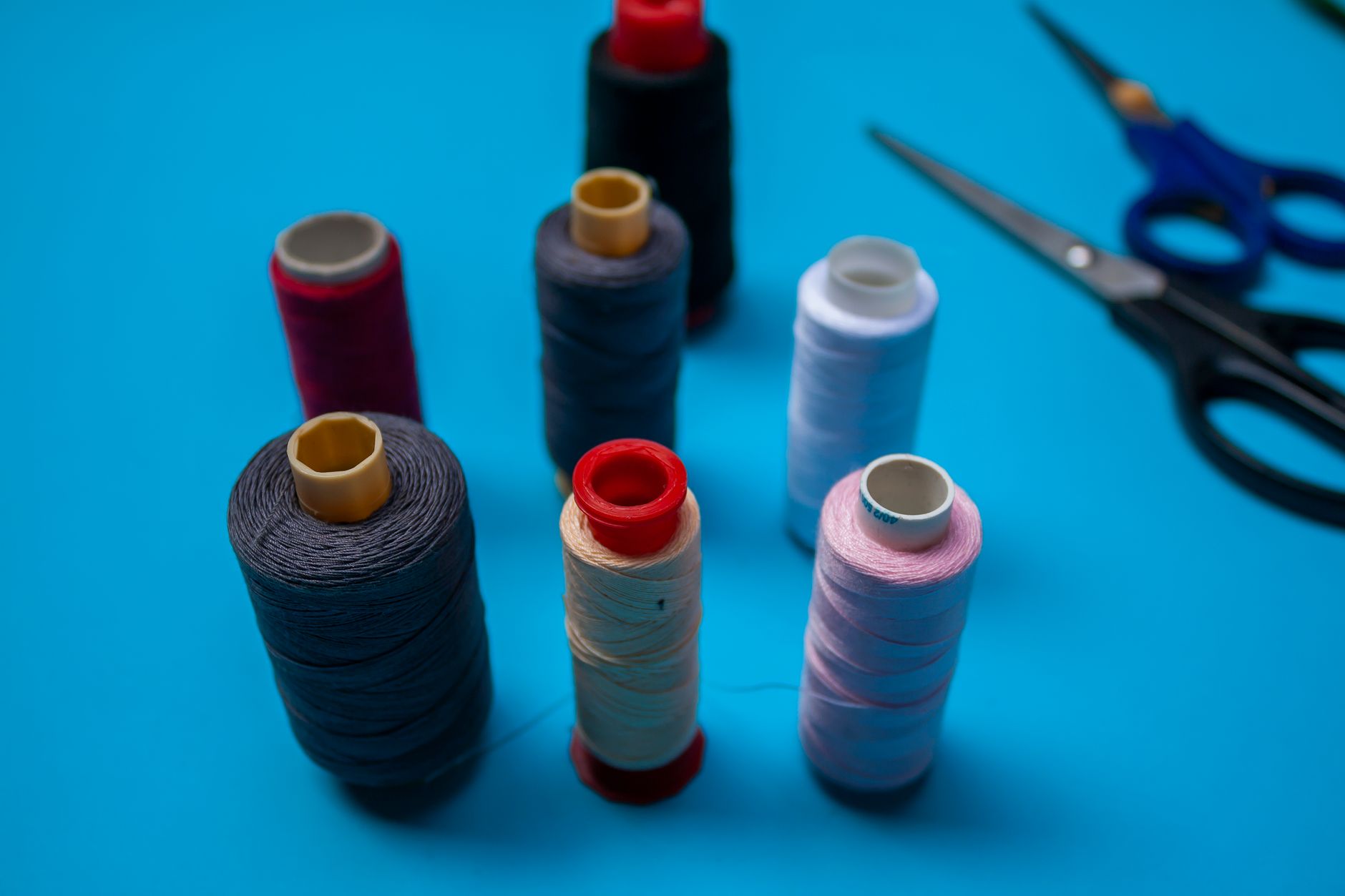
Here are the color substitutions I made using Sulky 12 wt thread already on hand:

Navy: Color 1199 – Admiral Navy Blue
Dark Blue: Color 1095 – Turquoise. (the stitched sample has more of a teal look to me than blue)
Light Blue: Color 1205 – Medium Jade (same reason as above)
Green: Color 1156 – Light Army Green
White: Color 1001 – White

Sulky – DMC conversion chart (free download) from Sulky website.
Sulky 12 wt petites color chart (free download) from Sulky website.

Serious x-stitchers may be interested in the Sulky 12 wt petites color card (with actual thread samples) that is available for $25.00 from the Sulky website.

DIY sliding mat for free motion quilting

DIY slider mat for FMQ. Not pretty, but it works great!

Quilters have a number of options for creating a slick surface on their machine bed to facilitate easier free motion quilting. A slider mat (aka Supreme Slider) and teflon spray are two options. I have a Supreme Slider to use with my larger machine in the Horn Quilter’s Dream cabinet. The queen size works great with my machine and required no cutting to achieve a perfect fit.

Using a wide extension table to FMQ while at a class or retreat may require that you trim your slider mat to size. This was the case with my Elna 450. I didn’t wish to spend $30-$40 for another mat. Instead, I took a thin oven liner mat (already on hand) and rough cut it to size. I marked the needle opening by running the sewing machine needle through the exact spot several times and later cut out a thin circle with super sharp scissors. I taped the mat in place and did the detail cuts around the curved edges and the inset to the right of the needle.

Next step was to test things out. I enlarged the needle hole slightly and trimmed up the inset areas a little bit more. Applied fresh painter’s tape to hold the mat in place and began to FMQ. Smooth as butter with no fabric catching anywhere!

Total cost: FREE because I had an extra pack of ThreadNanny oven liners from Amazon in my stash. I use them for applique projects requiring fusible interfacing or glue.

Close up of needle hole area in my DIY slider mat.

Curious about my settings for FMQ on the Elna 450?

Convertible FMQ foot with ruler work attachment (personal preference)
Blue dot (or low tension) bobbin case
Feed dogs lowered
Upper tension set at 4
Topstitch needle in 80/12 or 90/14
Glide thread top and bobbin (with at least 2 extra bobbins fully wound)
Slider mat securely taped in place
Gloves

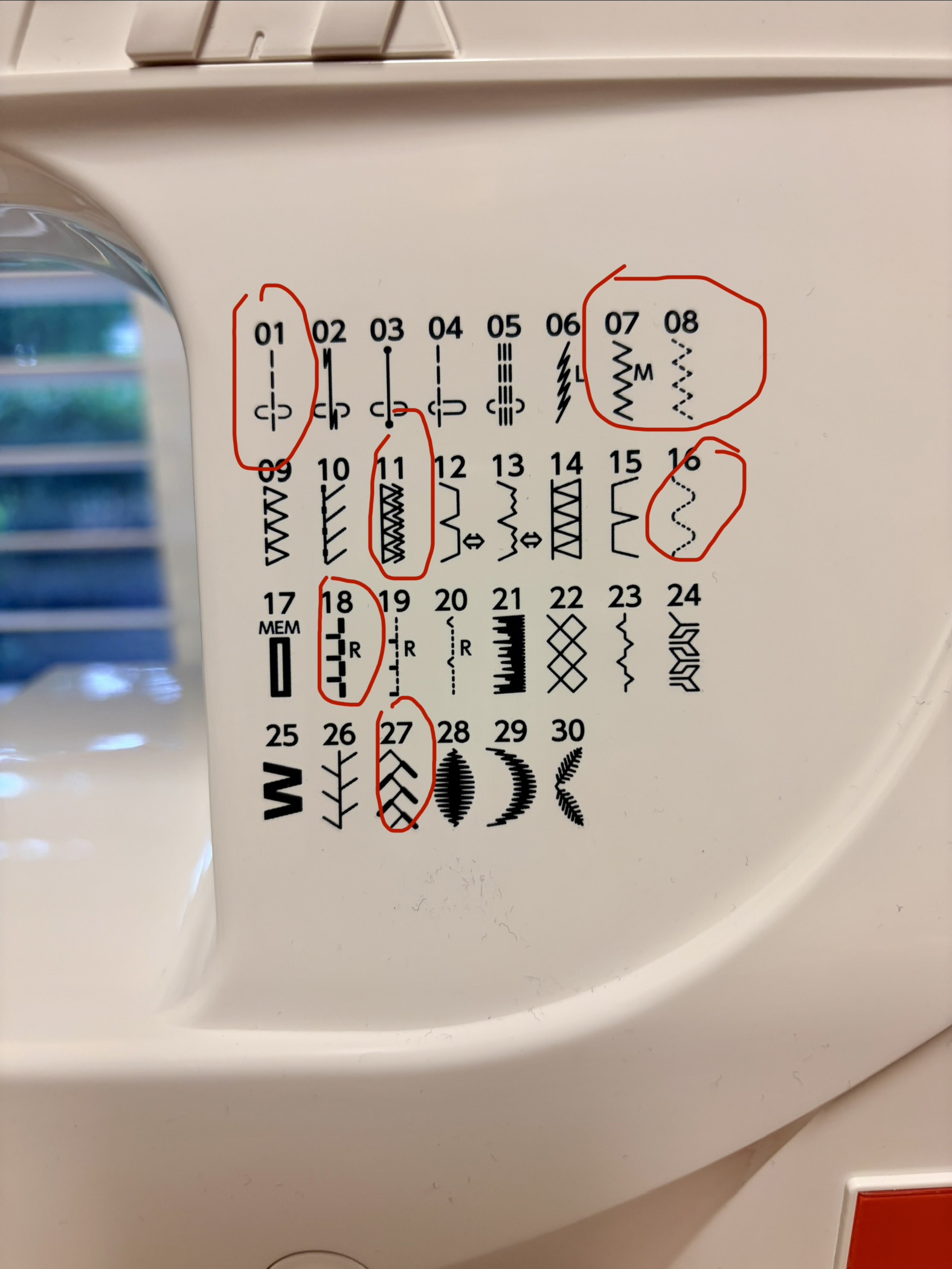
I use stitch #1 and set the speed slider about 3/4 of the way. I always warm up for 5-10 minutes on practice sandwiches to test settings before I start on a quilt.

Which extra presser feet should I buy?

My Elna 450 is a budget-friendly, computerized model. It came with four presser feet: (1) all purpose presser foot; (2) satin stitch foot; (3) zipper foot and (4) buttonhole foot. The dealer also included a 1/4″ foot at no extra charge.

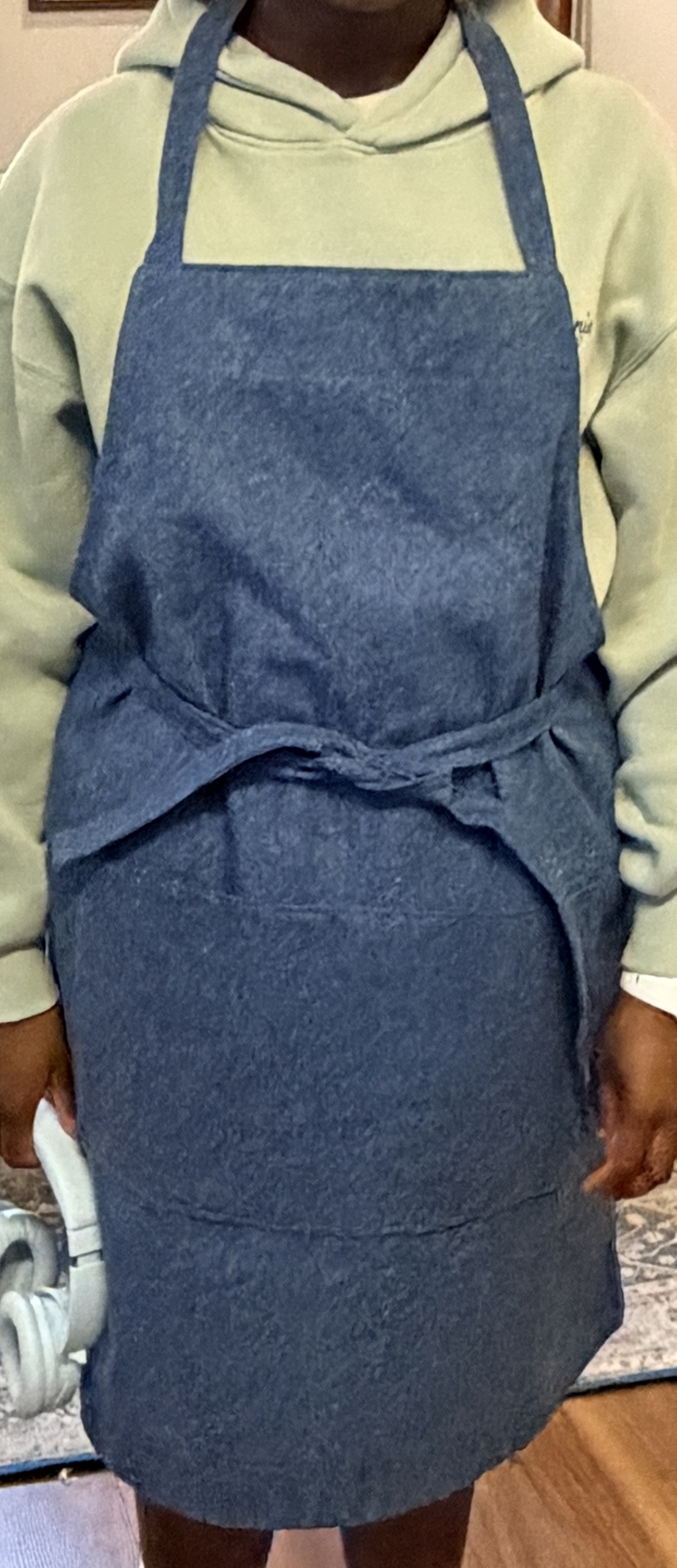
If you flip through the Janome/Elna accessory catalog, you’ll find dozens of additional presser feet that will work with your machine. Buy the extra presser feet that will support the type of sewing that you do and fit your budget. I quilt, so this machine will be used for piecing blocks, machine applique and quilting smaller projects. The kids will use it in CraftLAB to make a variety of projects, including tote bags, aprons and pj pants. I’ll also use it to hem pants, replace buttons and fix popped sleeve hems on t-shirts.

Here are the additional feet I purchased for this machine:

  • Open toe walking foot with guides (set of 2 guides can be purchased separately)
  • Button sewing foot (w/ blue toes)
  • Replacement A foot with leveling button (for going over thick seams)
  • Open toe F2 foot
  • Over edge C foot (use with stitch #11 to finish raw edges)
  • Adjustable blind hem G foot
  • Open toe darning foot

The adjustable blind hem foot can be used for more than sewing a blind hem. I use it as a topstitching guide when I need to sew 1/8″ from the edge (bag straps, pocket edges). I use the dial to move the finger so that it lines up on the right side where the foot clips on. I use stitch #1 and set the stitch width = 1.0 mm with stitch length = 3.0 mm.

Other key considerations when buying presser feet:

  • Max stitch width for your machine: 5mm, 7mm or 9 mm?
  • Bobbin case position: top loading, side loading or front/vertical loading?
  • Machine manufacturer: is it a top loading machine made by Janome?

Over the years, Janome has manufactured machines for Sears/Kenmore, Baby Lock, Juki, Necchi and Elna. This is important because presser feet designed for top loading Janome made machines require a slightly left offset connection bar on the snap on foot to align properly with the feed dogs. (See left photo of blind hem foot above.) Center needle snap on feet may work occasionally, but the needle position will be off and the toes of the presser foot may not align with your feed dogs.