Say hello to a new, old friend

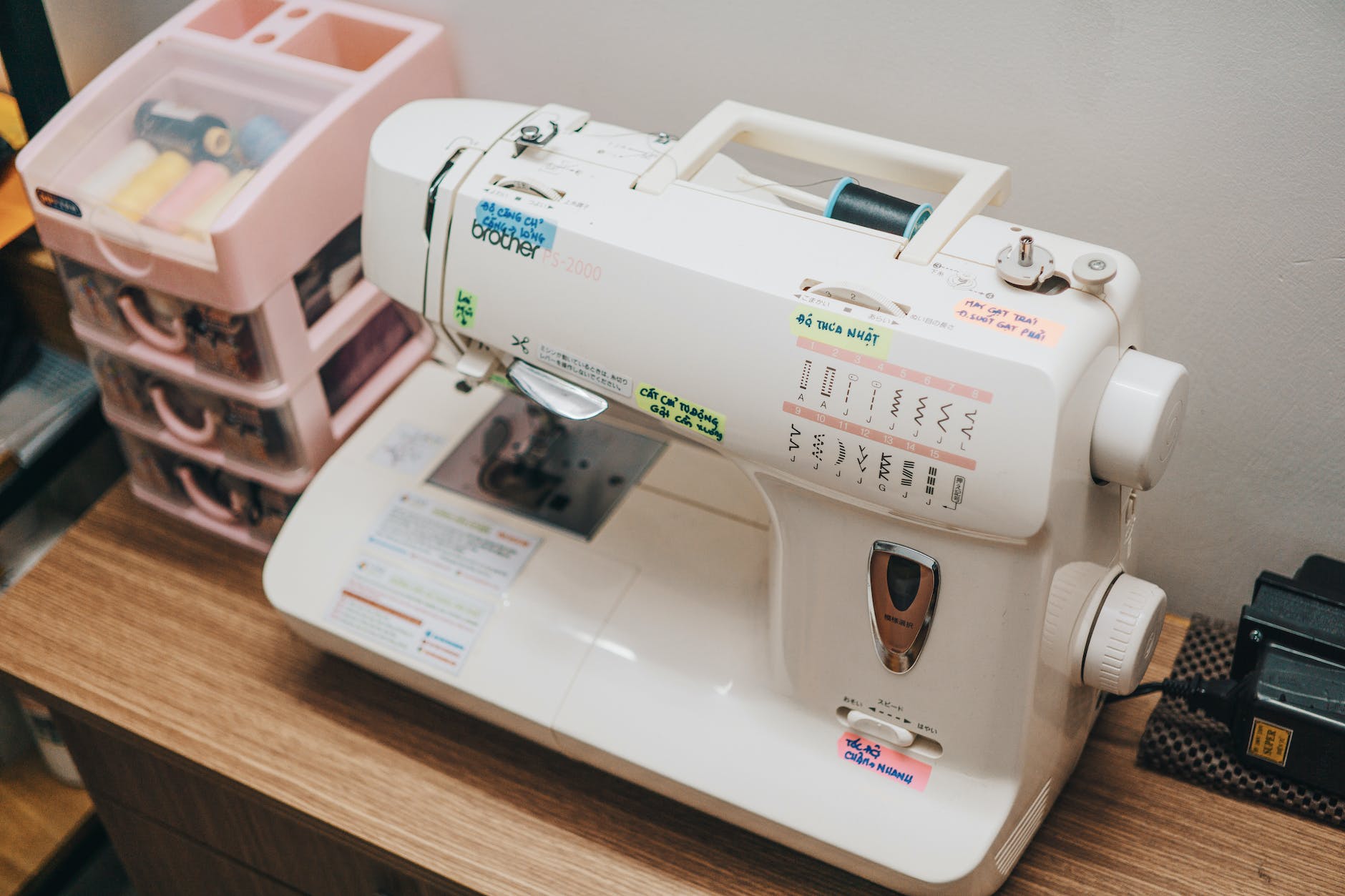
In this post, I wrote about saying good-bye to the very first new sewing machine I ever bought for myself – a 30 stitch mechanical Kenmore affectionately referred to as “Old Faithful.” She was a mid-1990’s vintage that was with me from first house to current house, grad school and library maker space activities at school. She was quiet, reliable and kid-friendly.

At Saturday’s machine maintenance class at the SQTM, not one – but two – Kenmore mechanical machines from about the same era as Old Faithful were present. It was wonderful to see these 30 year-old mechanical machines still going strong! Not surprising, as these models were made by Janome. I remember considering the updated teal “Old Faithful” model with needle-up/down, speed control slider and the all-important blanket stitch when I seriously got into quilting. I went with the computerized Pfaff 2046 instead. I was back to a Janome machine within two years.

The universe has a wicked sense of humor. On Sunday afternoon, an updated teal model of “Old Faithful” crossed my path. The story goes that the machine was part of an abandoned storage unit that a flipper had purchased. I brought the sewing machine home to evaluate it for use as a demo machine for Block Party (kid’s sewing) outreach or to pass it along to another guild member who leads a teen sewing group at a nearby library.

Potential applique class sample made using a Kenmore (Janome) 16231.

After working on the machine, I believe the story about it’s history. A customer pick-up label on the side of the box indicates someone purchased the sewing machine in late October 2005 from a Sears store near Las Vegas. The box had been opened and the foot pedal was missing. However, the machine itself is in pristine – essentially untouched – condition. It came with the original brown paper square under the needle and the thin packing tape used for shipping still on certain parts of the machine. It’s almost as if someone opened the box to confirm what they’d purchased and put it away. Then, life apparently happened and the machine wound up in a storage unit somewhere. Said storage unit contents were eventually auctioned off to recover unpaid fees. The universe then made sure it got to me.

Surprisingly, the machine actually sewed right out of the box. The start/stop feature was a little hesitant at first, but it was soon humming along. I oiled and greased the parts I could reach without taking the thing totally apart. That helped! A replacement foot pedal magically arrived via Amazon the next day. I located a service manual late last night. At some point, I’ll remove the covers, clean out the old gunk and add new. This sweet little machine seems to improve the more I use it. The guild member running the teen sewing program at the library informed me she currently has enough machines, so I’ll keep this one to use as a demo machine at different events.

Have your shopping habits changed since Joann closed?

Quilty friends and I were chatting about this at a recent get-together. The general answer is yes. More are shopping online, spending more and getting less. A couple of folks noted that we were already heading in that direction with the rise of inflation, online shopping and Atlanta traffic.

Me?

(1) I have to plan ahead more.
Joann was convenient. It carried just about anything I needed for sewing, quilting and crafts. It was open 7 days a week and prices were less than my local quilt shops. It took a little while to find suitable replacement sources for the supplies I prefer to use. Now, I shop 2-3 places to get the same merchandise I could find in a single trip to Joann.

(2) I don’t buy something unless I absolutely need it.
Joann sales & coupons were a great way to stock up on consumable supplies that I regularly use. With Joann gone, Michael’s and Hobby Lobby no longer need to offer as generous of a discount to remain competitive.

(3) Shopping at brick & mortar locations for sewing & quilting stuff has become less frequent, more intentional.
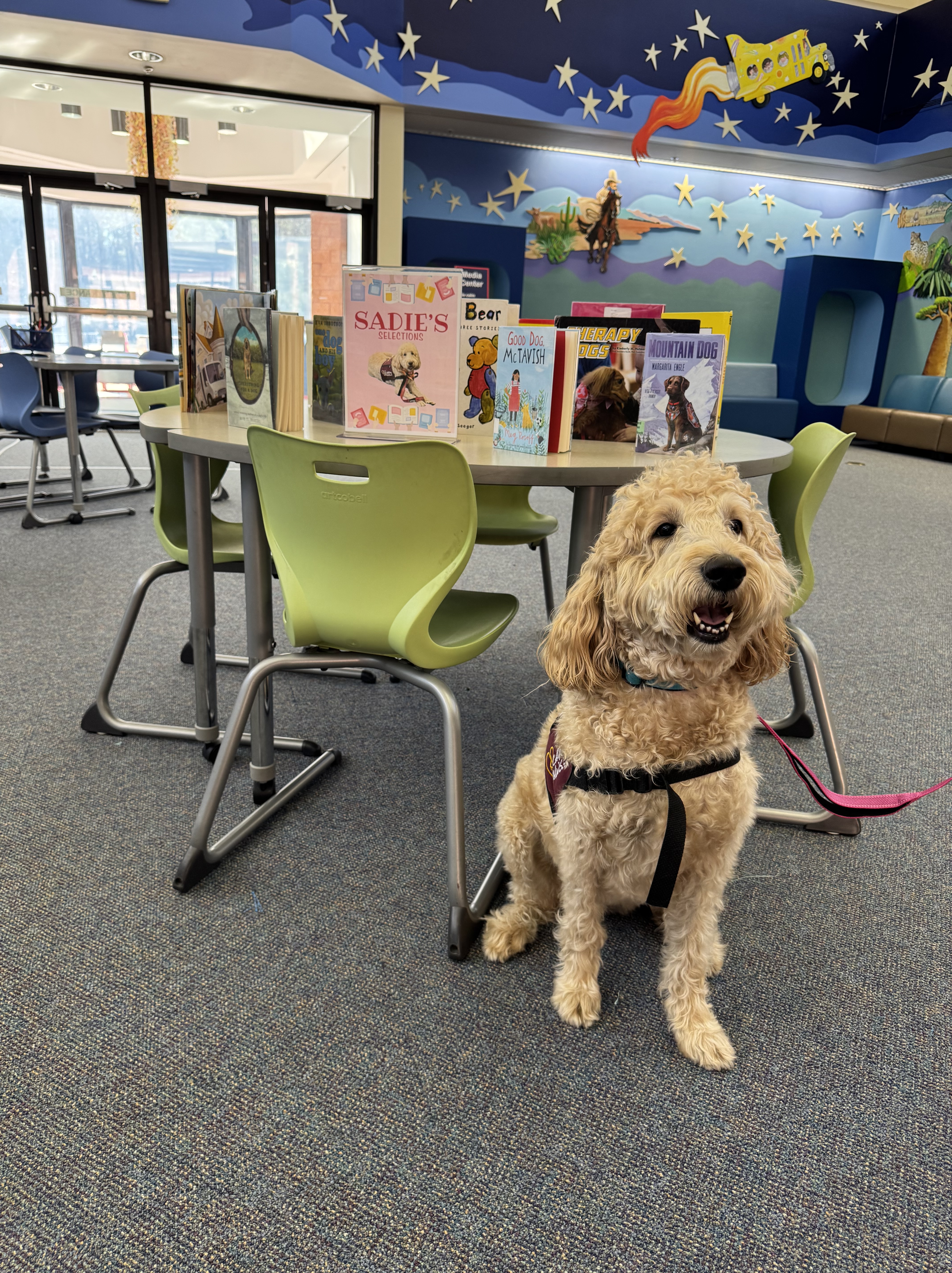
Joann in Kennesaw is where you would often find Sadie and me on Sunday afternoons. It was part of our routine. Sometimes to shop, sometimes for inspiration and sometimes for Sadie to visit different public spaces and practice walking on slick floors in between therapy dog visits. We thoroughly enjoyed our social interactions with customers and staff. Nowadays, the Hobby Lobby location on Akers Mill welcomes us on random Wednesday mornings when I need quilt backing fabric or interfacing that’s on sale.

The only pet-friendly quilt/gift shop in my area recently changed to a no dogs allowed policy after another customer’s dog hiked his leg on several bolts of fabric. Totally understand, but the new policy means this shop is no longer a regular destination on our “Sadie shopping” rotation. We bought special jerky treats carried in the gift side of the shop. (I recently found the same jerky treats at a new specialty pet store closer to home.) I’ll pop in on the way home from monthly guild meetings if I have time to stop, but that’s it. Specific online retailers with reasonable shipping rates are now my usual go-tos when I do need something only found in a quilt shop.

How about you?

2025 goal check-in

Back in January, I created the following list of sewing goals for 2025. It’s good practice to measure what matters, so let’s see where I am in the 4th quarter:

  • Continued detashing of fabric, supplies and books.
  • Rehome all kid craft materials leftover from teaching.
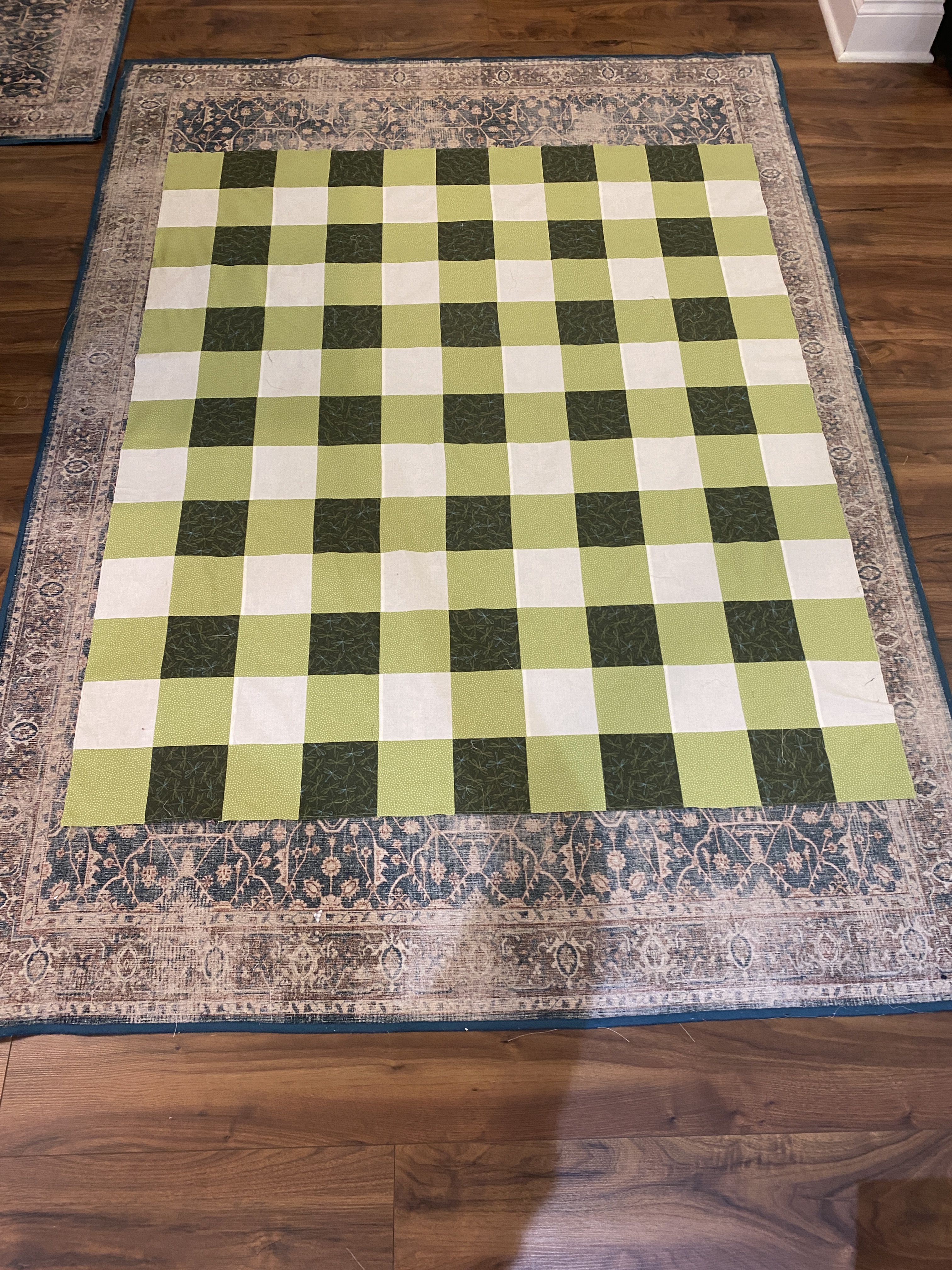
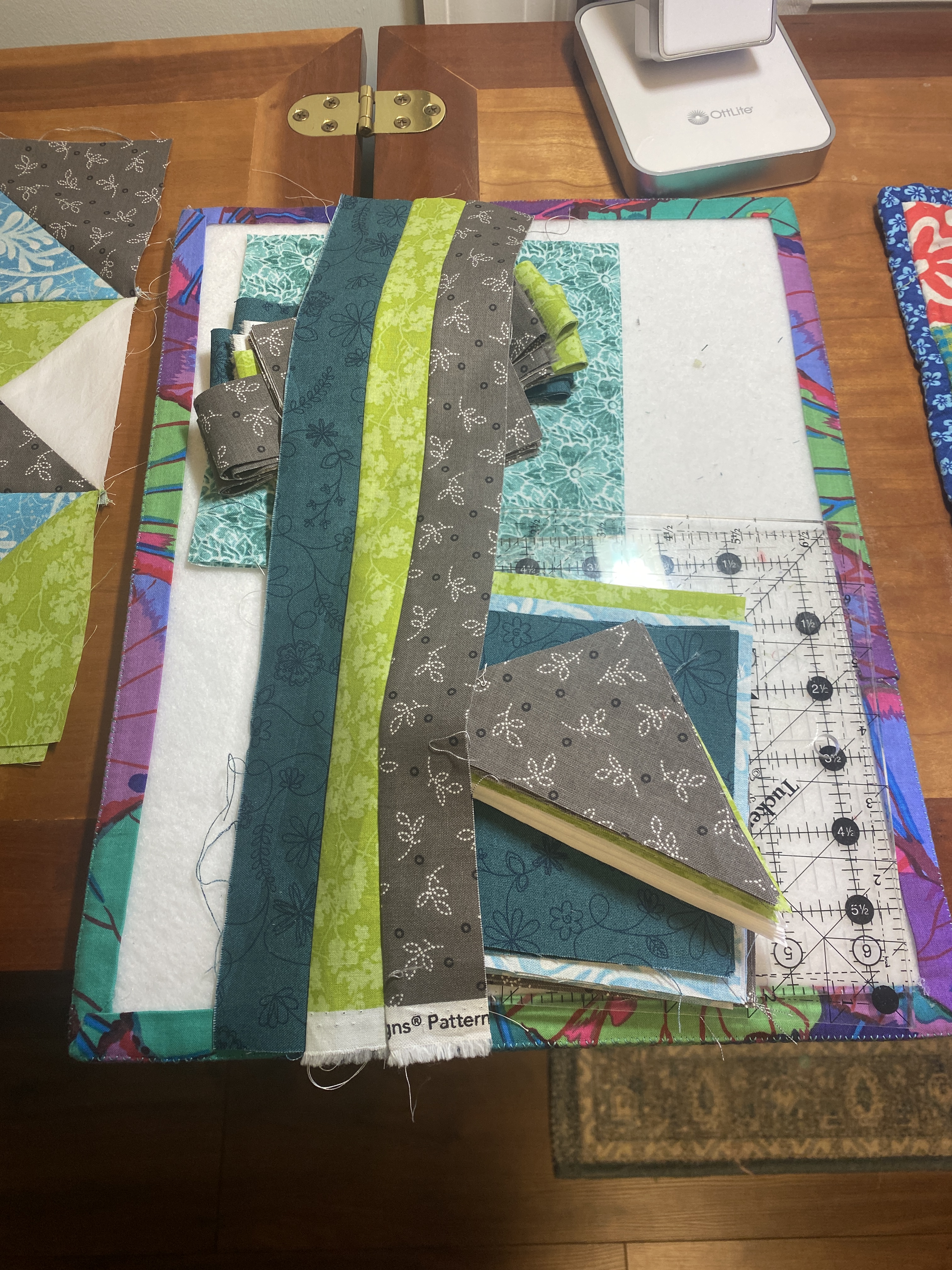
  • Finish assembling all partially done quilt tops.
  • Select 3 tops I want to submit for entry into an upcoming juried quilt show and get them completed, including the label, by year end. I will do the quilting myself.
  • Get current on BOM and QAL blocks.
  • Complete EQ online classes 2 & 3.

Successes (identified by strike-through text):
1. Rehomed ALL of the kid’s craft materials.
2. Sorted through every bin, drawer, closet, storage container and hidey-hole to assess things after two major purges and six months of dedicated sewing from the stash and intentional limited spending on new items.
3. Identified quilt tops to complete for show entry. Have secured backing and binding fabrics, plus batting for each one.

In-Progress (identified by yellow highlighted text):
1. Destashing is an ongoing process.
2. Some WIPs have been completed, but more were found.

Not happening this year:
1. Instead of EQ, I went down the Adobe Indesign and Illustrator rabbit hole learning how to convert my own patterns & tutorials into a more professional format.

My goal to divest my teaching & kid craft materials was the catalyst for major purging of our home office and my sewing space. Teacher friends and neighborhood kids were the beneficiaries of my no-longer-needed stuff. Bonus? I recovered things that had been randomly stuck places to accommodate interior painting and HVAC replacement.

Truth is, stash management is an ongoing process.

Step 1 – limit what comes in your sewing room. Evaluate any subscription box memberships. Use the Libby app to read magazines and borrow books from your library. Have a plan for how you’re going to use a piece of fabric – even if comes from the free table.

Step 2 – use what you already have. Make it a point to shop your stash first. Keep said stash organized so you can find things when you need them. I won’t need to purchase piecing thread, sewing machine needles or 60 mm rotary blades for at least five years.

Step 3 – be intentional with your purchases. You are no longer a card carrying member of the Stash Acquisition Team. By all means, allocate some fun money to spend during shop hops and at retreats! That said, everything else should be purchased for a specific reason or need (a class you’re taking, to finish a special project, to replace a consumable supply or something that broke & can’t be fixed). Your bank account will thank you!

Step 4 – use the item or let it go. As a scrappy quilter, it makes me happy to keep a well-curated collection of fabrics available to pull from as needed – usually FQ or 1/3 yard cuts. If a fabric has languished uncut for an extended period of time, it gets moved to the charity quilt or giveaway piles.

During this last round of decluttering, I also decided to offload the remaining extra sewing supplies I used when teaching kid’s classes. Nowadays, group class participants are generally expected to bring their own sewing machines and supplies to class. The SQTM provides machines and sewing supplies for any kid’s classes taught at the museum. i(Of course, I kept a couple sets of basics for my private students and CraftLAB participants.) The recipients were a group of inner-city teens who meet at the local public library with community volunteers.