A Quilter’s Tour – Self-guided edition
Missouri Star Quilt Company (aka Disneyland for Quilters)
Missouri Quilt Museum
Jamesport Amish Community (about 30 miles north of MSQC)
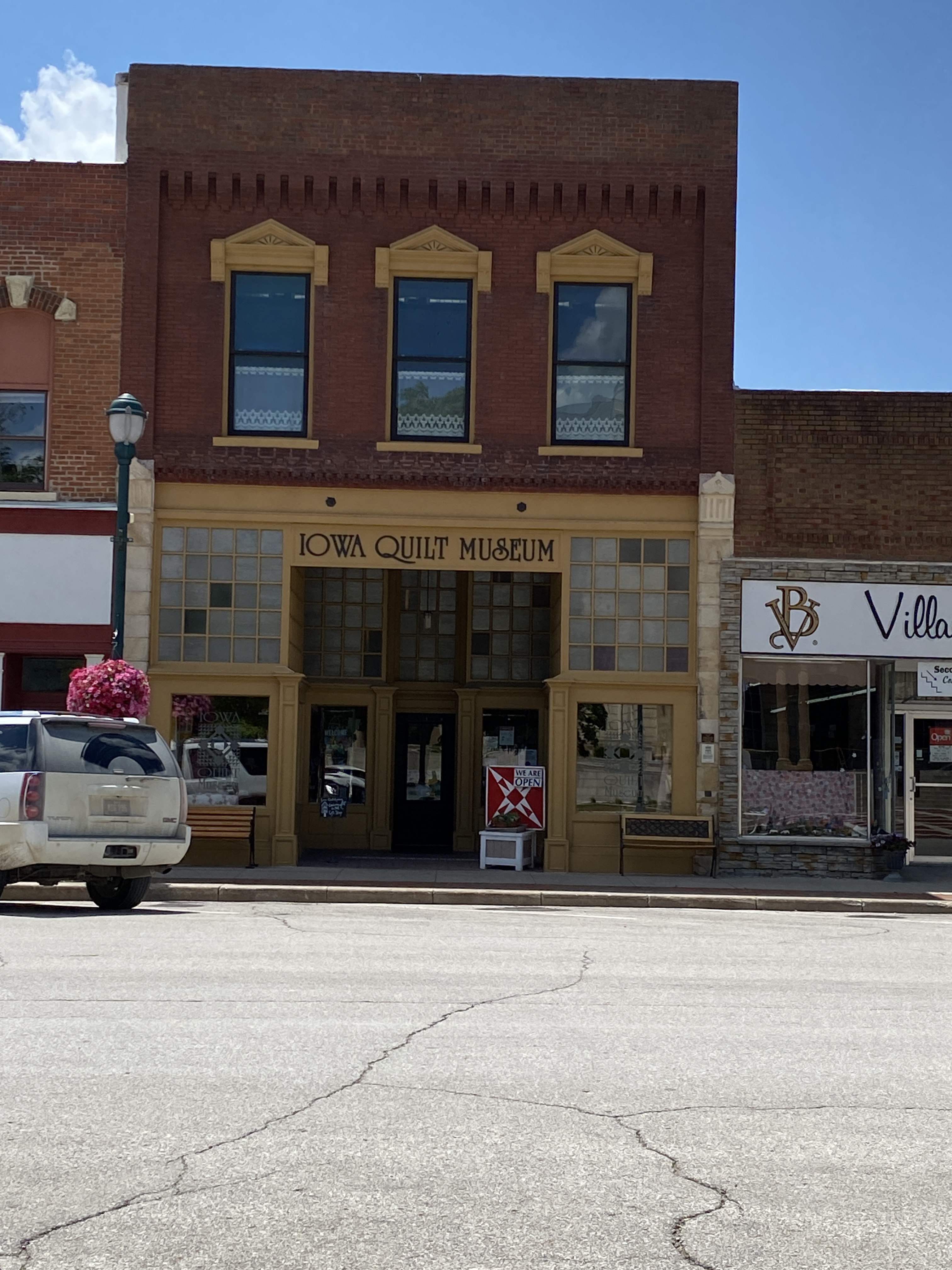
Iowa Quilt Museum and Piece Works Quilt Shop in Winterset, Iowa (home of original Fons & Porter store)
John Wayne Birthplace and Covered Bridges in Madison County around Winterset, Iowa
Omaha Quilt Show
International Quilt Study Center & Museum
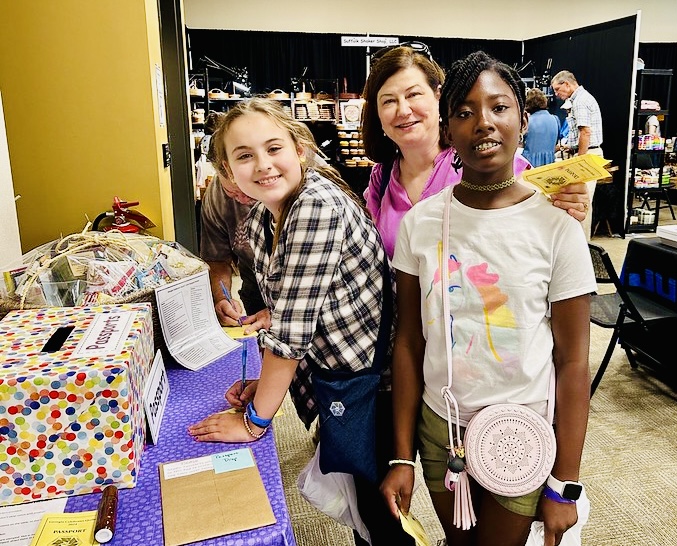
Last week, I took my sister-in-law on her quilty bucket list trip. We met in Kansas City and spent 5 days visiting parts of Missouri, Iowa and Nebraska. Our favorite parts of the trip were the Missouri Quilt Museum, our day in Winterset, Iowa and the International Quilt Study Center & Museum in Lincoln. She flew Southwest with a an empty suitcase inside of her main suitcase so she could take all of her “treasures” home. Both suitcases returned home filled to the brim! I flew Delta with a carry-on, but shipped the non-quilty purchases I made at the Amish store home via USPS. Helpful hint: if you spend $60 at MSQC during your visit, it will ship to your home free. Merely go to the main store and tell them you want to start a box. You can stop by and add purchases to the box throughout the day.
This was not my first trip to MSQC, but it’s always fun to see it through a first-timer’s eyes. Unless there’s a special event, a full day to explore the MSQC shops and visit the Missouri Quilt Museum is plenty of time for your visit. We stayed at one of the “recommended” hotels in Cameron. It was okay, but I’d suggest Liberty or Chillicothe if you prefer something besides very basic accommodations.
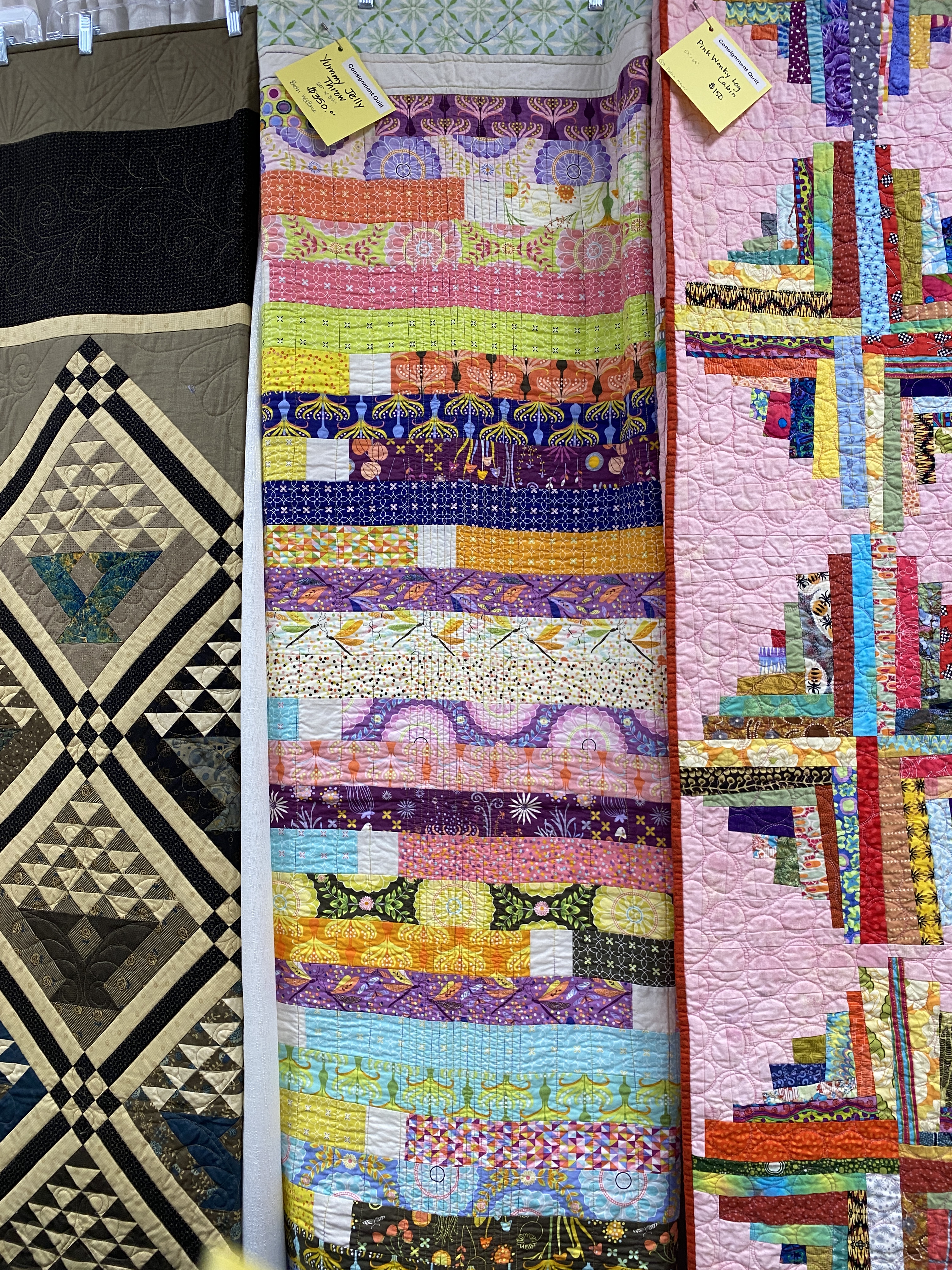
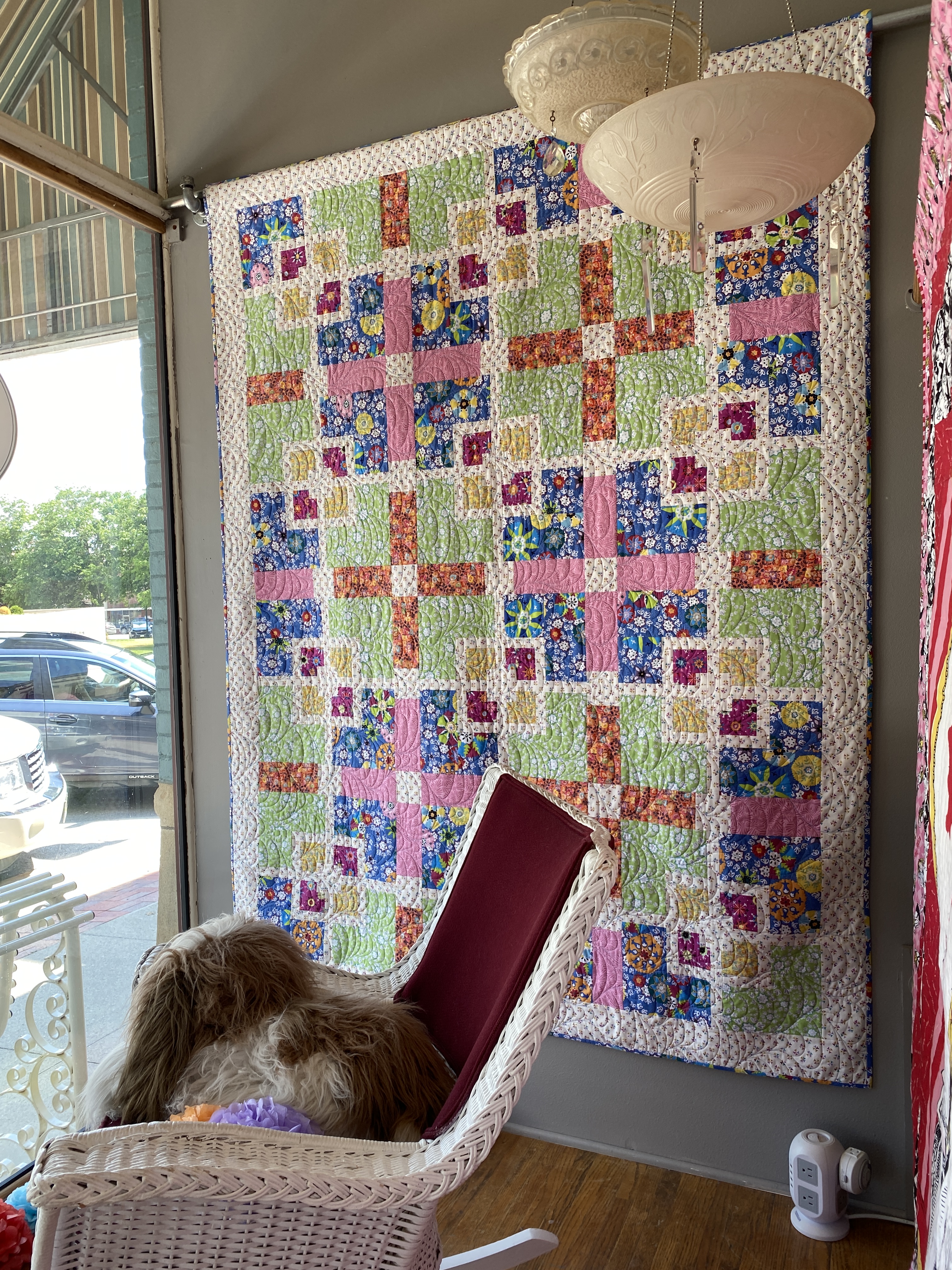
Winterset is a lovely town and the scenery was so pretty during our drive over from MSQC. There’s definitely enough to do to fill an entire day if you want! The Iowa Quilt Museum is a beautiful facility and the exhibit was well-done. Piece Works Quilt Shop is literally a block long and packed full of anything a quilter would ever need. I succumbed to the quilt in the window. It was the fabrics that pulled me in. I did a double take when the shop owner showed me the actual pattern used to make the quilt. The cover quilt was made in browns and grays. No way would I have purchased this one off the spin rack.
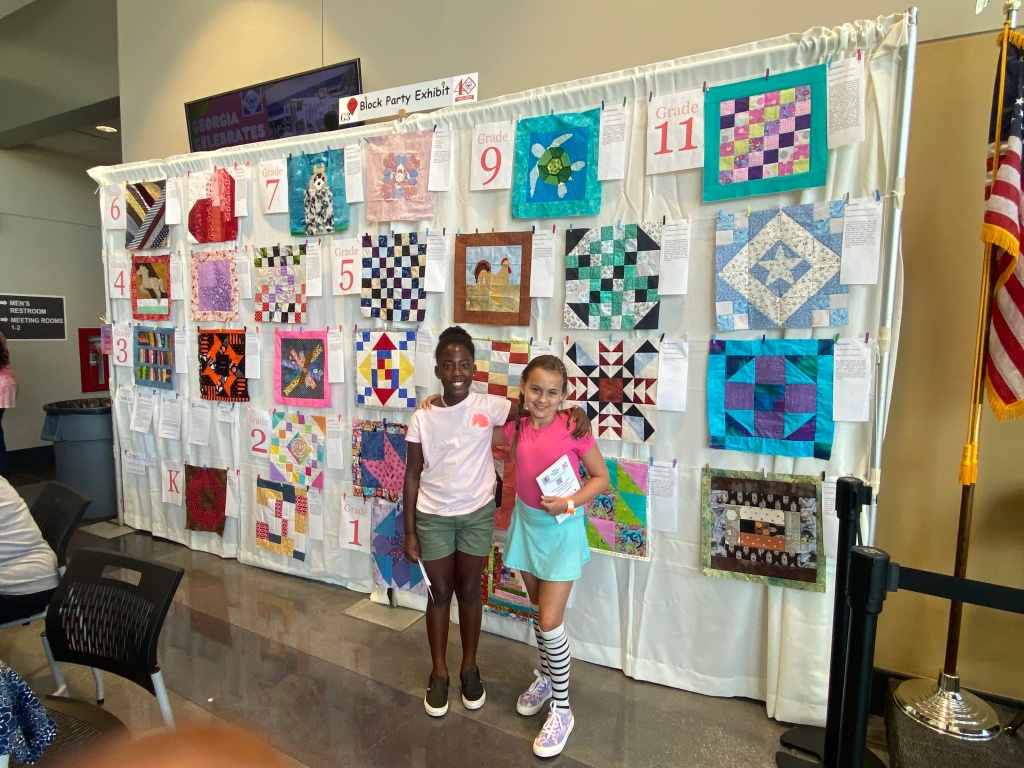
Omaha was crowded due to the College Baseball Championships being held this past week. The highly touted quilt show was just so-so and we’re both glad we decided to take the side trip to Winterset instead of spending the entire day at the quilt show and shop hopping Omaha as originally planned.
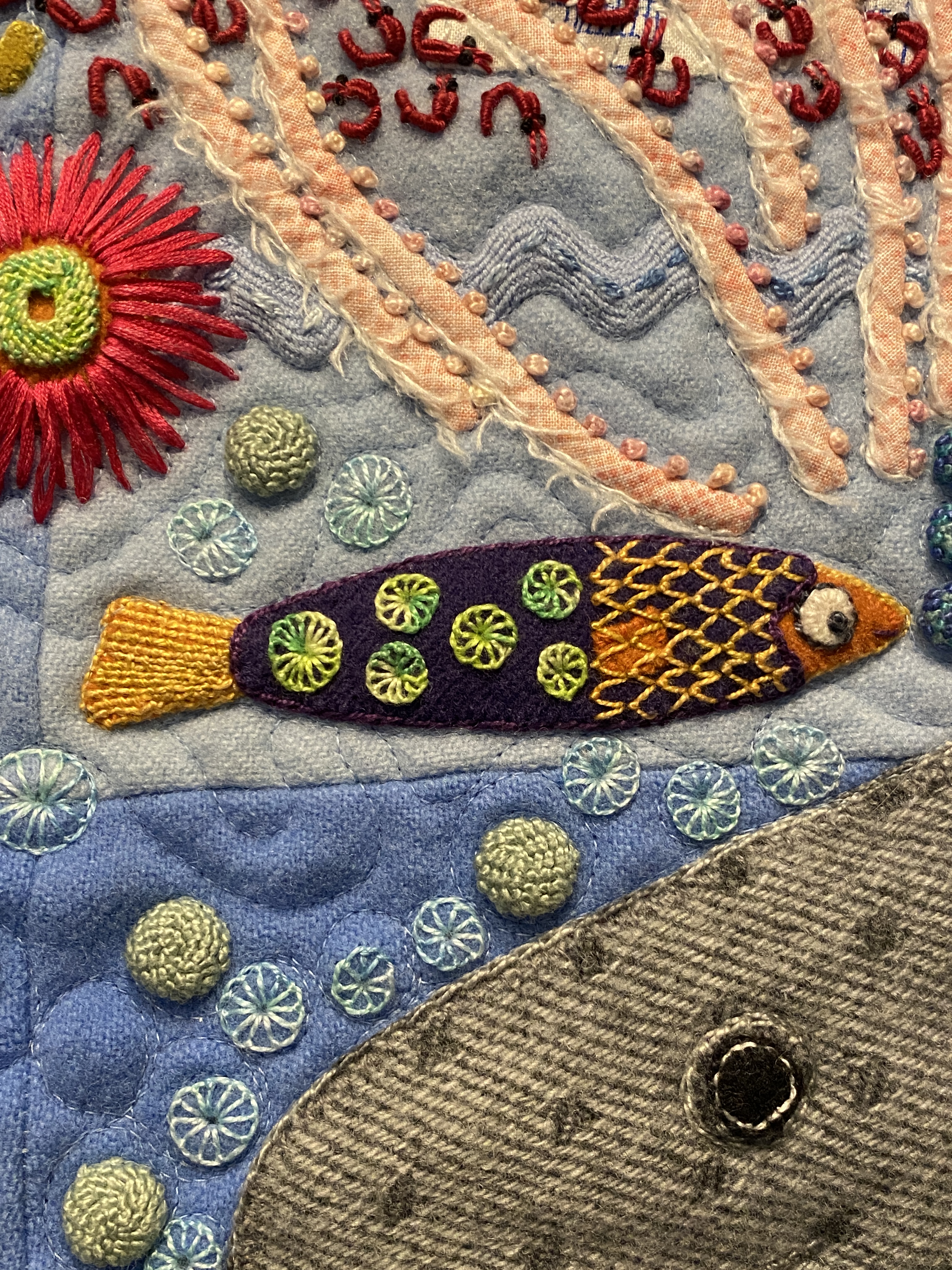
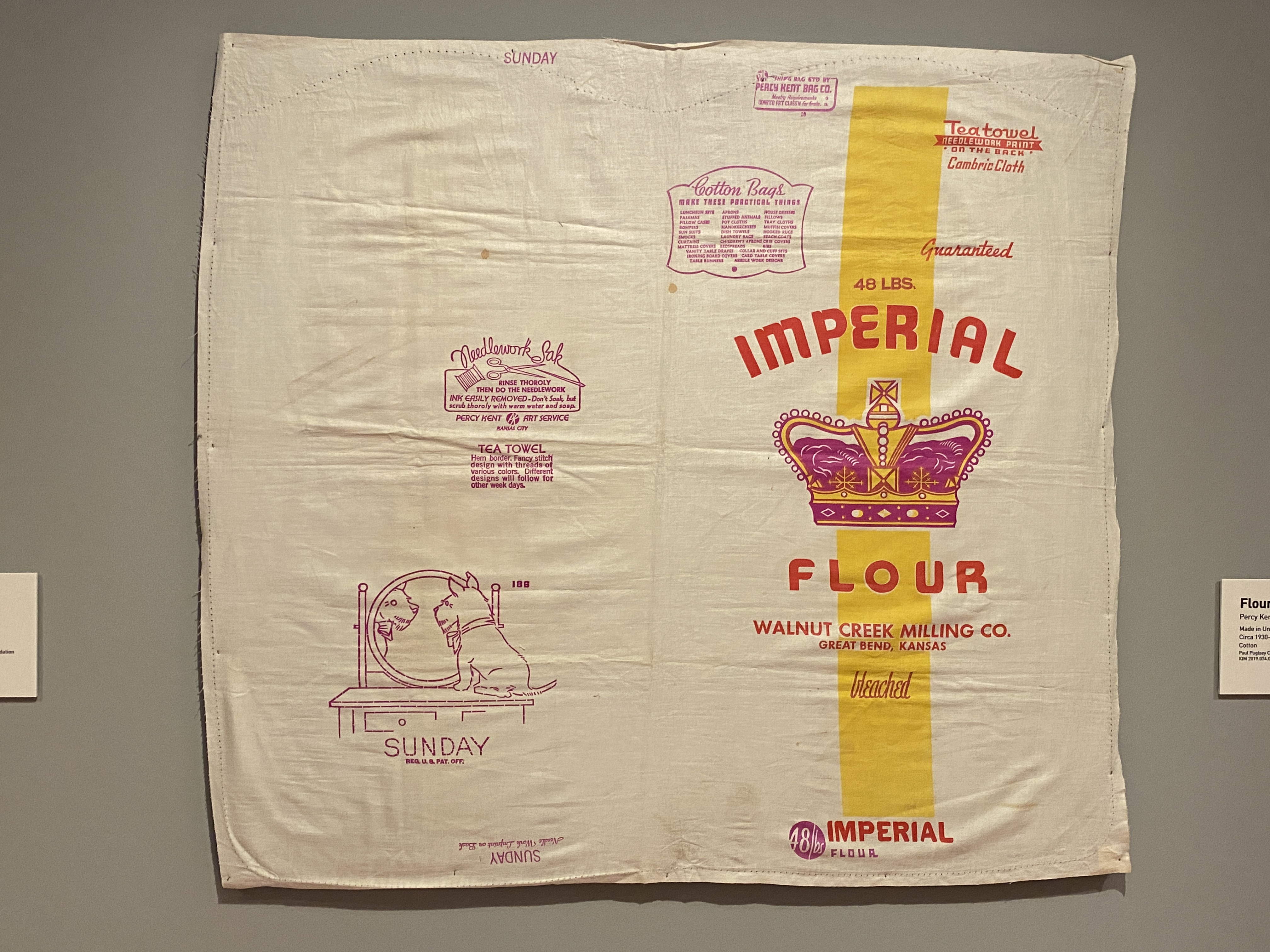
The International Quilt Study Center & Museum is always fabulous. Go on a weekday and not during lunchtime if you want to see all the behind the scenes action. Feedsacks and Sue Spargo were our favorite current exhibits. Of course, we visited a couple of recommended quilt shops – Cosmic Cow and Calico House.
Make out your quilty travel bucket list and get busy visiting all those places you’ve wanted to see while you still can. Life is short. You never know when a health issue will impact your ability to travel.