Good things coming in 2025

There’s been a lot going on behind the scenes since late summer. The past week has been a flurry of activity with finalizing class samples and taking inventory of our therapy dog gear. I’m happy to finally be able to share!

Starting in January 2025:

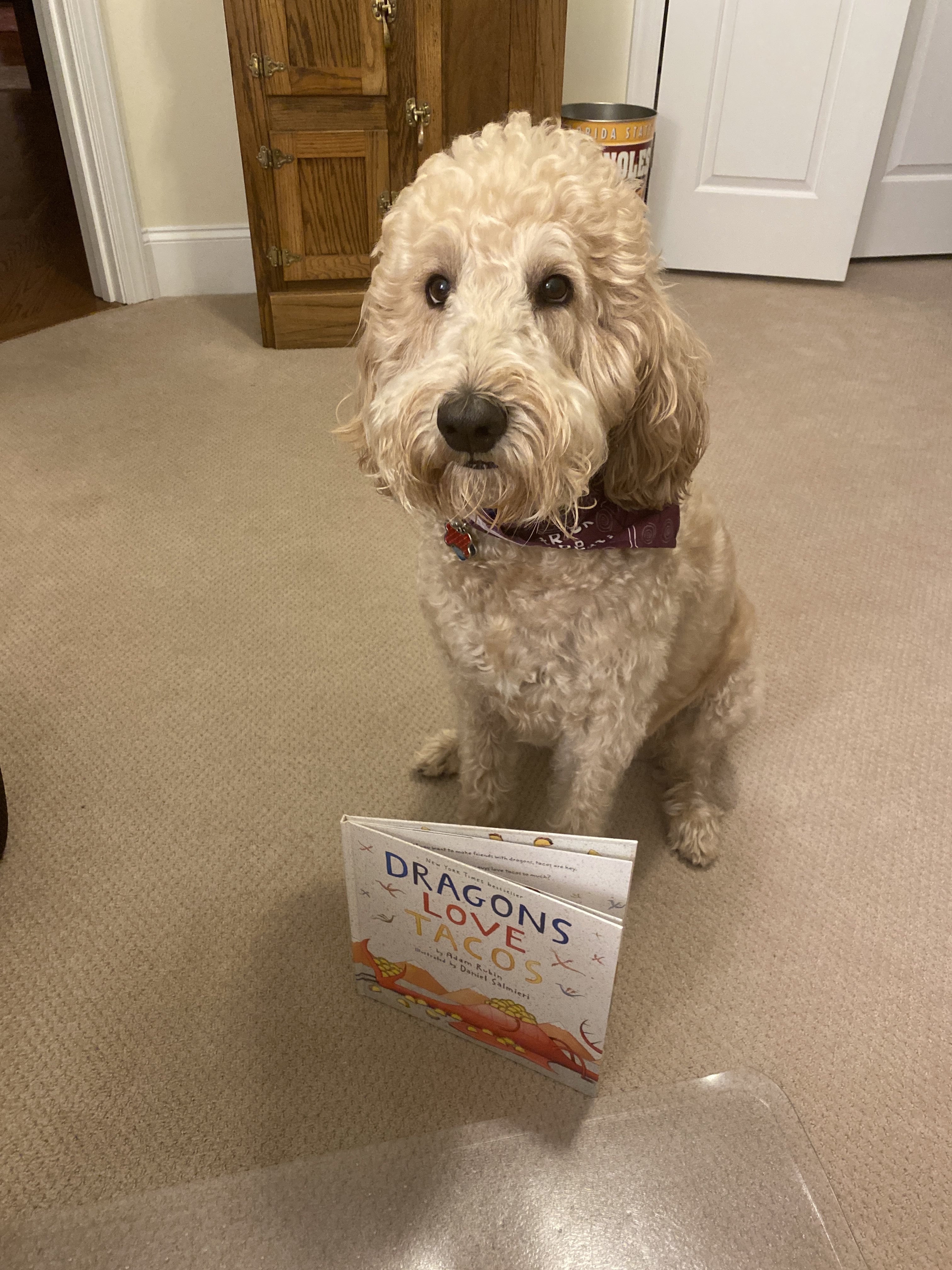
(1) Sadie and I will have two standing weekly therapy dog visits (one R.E.A.D. and one regular/R.E.A.D. lite). We’re also keeping our current monthly R.E.A.D. session at the public library.

(2) I’ll be teaching teen & adult sewing classes at local venues, with classes already booked through Fall 2025. A couple of area guilds have also inquired about my sewing machine maintenance class, as well.

To make room for these new opportunities, I did have to let go of or cut back on some current activities. The biggest change is that I will not be teaching K-5 literacy enrichment classes spring semester at the hybrid homeschool where I’ve worked part-time the past year and a half. The next change will be limiting our involvement in therapy dog activities to those within a 30 minute drive. Additionally, these new therapy dog visits on Tuesdays and Thursdays may also impact my ability to participate in guild events outside of bee group and monthly guild meetings.

The sewing teacher opportunity came about as some of the long-time area instructors have either moved away or decided to stop teaching. The school-based R.E.A.D. program I envisioned myself doing in retirement finally became a reality. Perhaps the sewing teacher thing will follow suit. We’ll see how it develops.

When I initially wrote everything on my calendar, I was booked 5-6 days per week. Nope. Felt too much like a full-time job. Teaching 2-3 sewing classes per month and making 1-2 therapy dog visits per week is ideal for me. This leaves time to spend time with hubby, hang out with friends, sew for pleasure or simply enjoy being retired.

In case you’re wondering, we won’t have two therapy dog school visits every week during spring semester. The schools are in different systems and have very different schedules for holiday breaks. Our weekly visits will also be impacted by testing, field trips and other special events. I do take my volunteer commitments seriously, but they are just that – volunteer. If there’s something extra special I want to do, I’ll book it and let the school know we won’t be there that week. For instance, I’m attending a quilt retreat in April. It falls during one school’s spring break and I’ll simply let the other school know I’ll be out-of-town that week. Easy peasy. My guild is bringing in a national teacher I want to take a class with in March. This could also impact one of the school visits; however, this will be the only other time a visit will be cancelled or rescheduled by me the entire semester.
Choosing projects for beginning sewing classes

Where does one start?

First, I conducted an online search to see what other sewing lounges, quilt shops and sewing machine dealers are offering for newbie adult students. I studied the projects, found similar patterns and watched YouTube videos for more inspiration. I also thought about my own experiences teaching kids how to sew.

Next, I asked myself, “What skills do I need to cover to make sure students are ready for Quilting 101 and other classes offered by the SQTM that require knowing how to use a sewing machine?” I was also tasked with teaching students how to read a pattern, if possible. Three Saturday sessions are allotted for these classes.

Beginning Sewing Curriculum Outline

  • Sewing knowledge: (1) How to operate a machine, (2) basic sewing terminology, (3) how to follow/read a pattern and (4) how to prepare and cut pieces for a project.
  • Foundational sewing skills: Sew a straight, consistent seam with a specific seam allowance, topstitch 1/8″ or 1/4″ away from an edge, backstitching, pivoting at corners, trimming corners, turning an item inside out and poking out the corners, closing the opening and pressing.
  • Next level sewing skills: zipper insertion, curved seams, applying fusible interfacing, boxing corners, how to sew straps and double folded hems.
  • Nice to know: sewing on buttons by machine, making buttonholes and raw-edge applique.

What we’ll be making:

  • Class 1: Meet your sewing machine – winding a bobbin, threading, selecting stitches, changing needle, sharing good general sewing practices. First project will be a simple placemat. Students can make additional placemats at home independently.
  • Class 2: Oversize tote bag – Simple wide tote bag with deep boxed corners. Learn how to make straps, box corners, apply fusible interfacing, topstitching, working with linings, reinforcement stitching, proper pressing techniques. Slip pockets and contrasting layers on outer bag are optional.
  • Class 3: Zipper pouch – Project bag size, lined with softly curved corners. Learn how to insert a zipper (zipper tabs optional), basic pouch construction techniques and how to sew curved edges with small darts.

If students are interested, I’ll do mini-lessons on sewing buttons by machine and raw edge applique as we go along. They can decide whether or not they wish to incorporate these techniques into their projects. The Education Committee thought it best to leave buttonholes for a later time. I agree.

For beginner classes, I typically use instruction sheets/patterns that I’ve drafted over the years for common projects. Occasionally, I need to direct students where to obtain a digital copy of the pattern we’ll be using in class. If using a printed pattern, I often buy them on sale from the big box store or directly from the designer. I also share about resources available through the local public library and the Libby app. The goal here is to keep costs reasonable. Once students have a basic pattern, they can learn how to customize their creations from any number of YouTube videos, blog tutorials, IG, and Pinterest.

Things are starting to fall into place

Three weeks ago, I mentioned several things were going on behind the scenes. Today, I agreed to teach Beginning Sewing (3-4 sessions) plus Sewing Machine Maintenance at the Southeast Quilt & Textile Museum for spring and fall semesters in 2025. I have the spring dates already set! Project based classes may be offered during the summer months, depending on interest and instructor availability. We’re also working on details for a potential vintage sewing machine maintenance class.

The other major development is that the school-based R.E.A.D. program I’ve been wanting to do with Sadie since retirement is several steps closer to reality. We’ve met with the local liaison and hashed out several of the details, including the day and time for our weekly visits. Sadie & I are tentatively set to do a meet & greet with the staff at an upcoming teacher workday. The liaison seems to think we’ll get the party started before Thanksgiving. Perhaps since it’s a smaller school district? We’ll see. I’m anticipating a January start date, but earlier will be okay with us.

Making room for the R.E.A.D. program means that I may have to pass on the opportunity to join a Featherweight enthusiast group that meets monthly in Ellijay. Having a standing weekly therapy dog visit also means we’ll have to pass on other cool visit invites we might receive that fall on the same day and time. We’ll see how things sort themselves out. Over the past year, I’ve become much more selective about the therapy dog visits I choose to accept. There are some teams in our group who do visits 4-5 days per week. I’m good with 1-2 visits per week.

In other news, the property appraiser did the site visit today. Based on conversations with the field techs, I think we’ll see corrections amounting to 400 sf upstairs and 550 sf in the basement. This should have a significant impact on our assessment. I’m supposed to return to the BOE in a week or two for their official findings. Currently waiting on a date.

Time to go make some project samples and write my tote bag pattern.