Anticipated price increases coming on sewing machines, feet and parts

A local sewing machine dealer informed me Janome and Brother would be raising prices soon due to tariffs. I’ve heard something similar from the Baby Lock dealer, too. I was advised to move on my machine of choice sooner rather than later. While I appreciate the advice, I’m choosing to wait. It’s not essential that I replace my sewing machine right now. And when I do, it’ll probably be pre-owned and not subject to tariffs anyway.

Tariffs on sewing goods are confusing. Most sewing machines are made in China, Taiwan or Thailand. The stated tariff rates on these countries are 125%, 32% and 37% respectively. Yet, when you drill down on the Harmonized Tariff Schedule to types of sewing machines, accessories and parts, some rates are free and others are up to 45%, depending on the item. I’d have to do more extensive research to figure out what it all means.

Meanwhile, I’m going to take a wait and see approach.

I’ve chosen a different route to finishing my quilts using a machine with a stitch regulator. I’ve secured a spot in the next longarm fundamentals class offered by my local quilt shop. Once I complete the 4-hour class, I’ll be able to rent time on their big machines (with a stitch regulator) to do E2E quilting using pantographs. The math to rent time and DIY quilting certainly makes more sense than buying a new machine. We’ll see how it goes.

Should the longarm option not be for me, that’s okay, too. I have the $$ set aside to purchase a new-to-me machine when I’m ready. The crazier the economy gets, the more important making the sale becomes to sellers. I’ll be waiting to buy when the price gets to what I think is reasonable.

NOTE: If you need feet or parts for your sewing machine, get them now while you can. This especially applies to vintage machine enthusiasts who use reproduction parts and accessories. It’s always a good idea to keep an extra spool pin spring, throat plate screws and bobbins on hand. You might also want to add an extra sewing machine belt and check spring (for FW and Singer 301 tension assemblies) to your parts inventory. A reproduction electronic foot control would also be advisable, if you don’t care for the original button-style foot controller. With tariffs, the cost of these items may become prohibitive or they may not be available.

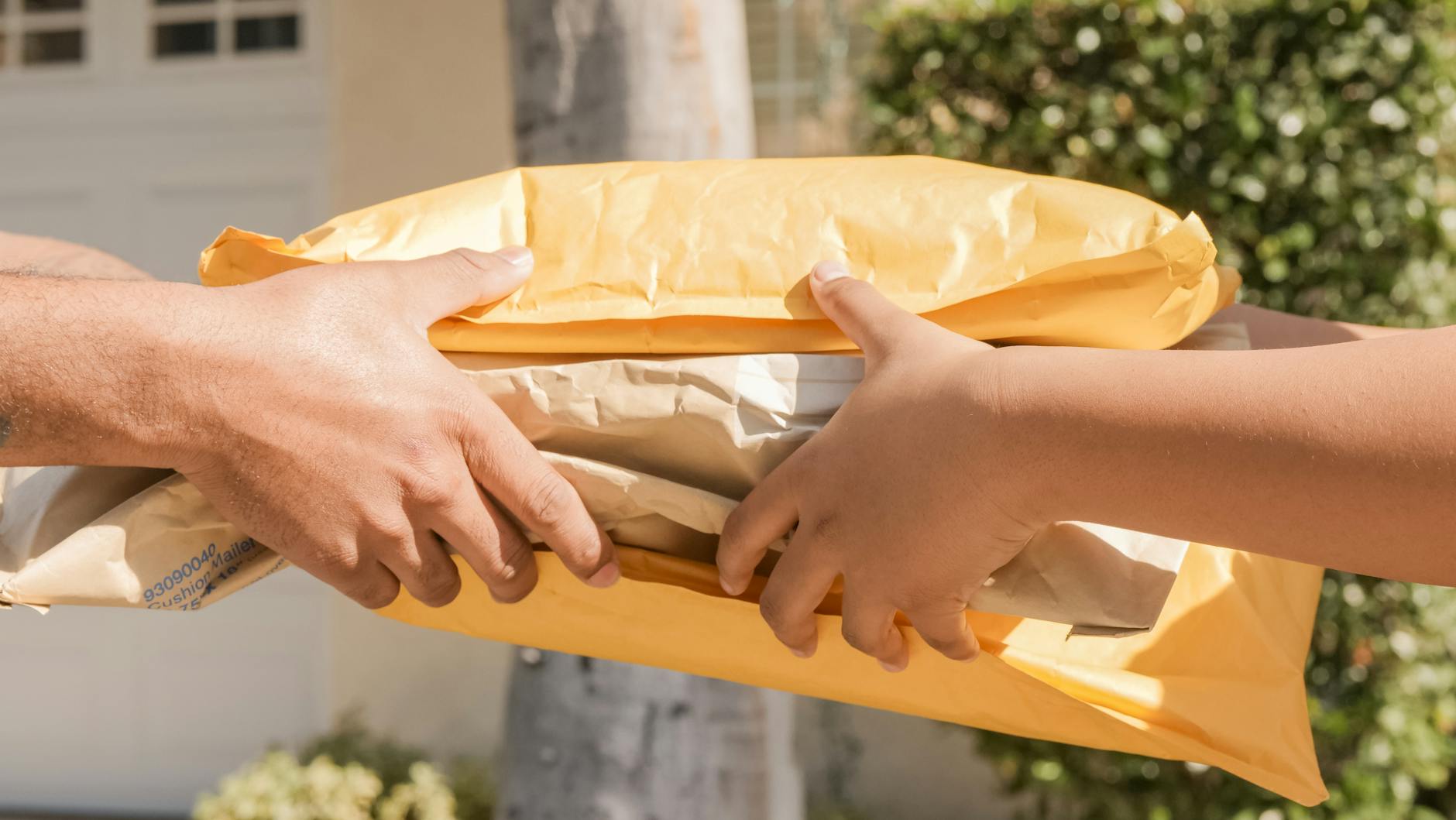
Photo by Markus Winkler on Pexels.com

Finding joy in the everyday

Today was an unscheduled, but much needed, rest day.

I actually woke up early, let Sadie out, and enjoyed a mug of tea while I pieced a few quilt blocks for my bee group’s next collaborative quilt. An hour or so later, Big Girl signaled it was time to go back to bed. She waited patiently for me at the bottom of the stairs while I turned off everything in the sewing room.

Every dog I’ve had has enjoyed the ritual of going back to bed – whether it be for 15 minutes (as on a work day) or for a couple of hours. Boomer would dash upstairs, hop on the bed and wait on me. Sadie escorts me upstairs and sleeps on the floor next to the bed.

We didn’t stir until around noon. The rest of the day was spent puttering, going to the park and sharing a hamburger from our favorite local burger place. The smile on Sadie’s face as we drove home from the hamburger place made me happy. I called my parents and checked-in on one of my nieces. I tidied my sewing space and completed 20 puzzle blocks for my bee group’s next project.

It’s been a while since I’ve had a a couple of days completely to myself with nothing on the schedule – no therapy dog events, no sewing events, no home maintenance and no social events.

It was truly a low key, no drama kind of day. Think I’ll rinse and repeat for tomorrow, except I’ll scrub down the back porches (get rid of all the pollen) so I can enjoy my morning cuppa and a bit of hand stitching on the screened porch.

Just for the day, limit your screen time, turn off the TV and get outside. Talk to your neighbors. Read a book. Drink a glass of ice cold water with lemon. Journal. Hang a wreath on your front door. Plant spring flowers. Play with your kids. Take a walk with your dog. Craft. Sew. Bake banana bread. You get the point. Find joy in your everyday.

Photo by James Wheeler on Pexels.com

Collaborative Projects

Group sewing projects are fun. My bee group has made a handful of quilts to donate to our guild’s community service in the two years our group’s been in existence. We work on blocks independently, then schedule sew-ins at a local quilt shop 2-3x per year to lay out projects and assemble the top(s). We get to use their big classroom space for a modest fee of $5 per person.

Today’s quilt top was made from alternating 9 patch and snowball blocks. The blocks were suppose to be 6-1/2″ unfinished. Some had to be set aside because they were either too small or too large. Many others had to be “stretched” or “centered” with the adjacent block so the two blocks could be sewn together. We all started with the same 2-1/2″ and 6-1/2″ squares. The differences are basically attributable to varying 1/4″ seam allowances and pressing with steam.

So how can you consistently make your blocks the correct size?

  1. Starch, Best Press or Magic Spray fabric before you begin. Allow it to cool and dry before cutting.
  2. Cut accurately. Use a nonslip ruler and rotary cutter with a fresh blade. Use a die cutting machine or specialty ruler such as the Shape Cut by June Tailor.
  3. Use a fine piecing thread like Aurifil 50wt with an 80/12 Microtex needle. Wonderfil’s Efina 60wt and Hobby Lobby’s 50wt cotton thread (on the cross-wound spool) also work well.
  4. Sew with a scant 1/4″ seam. I have to move my needle position 1 or 2 clicks to the right to get a scant 1/4″ seam allowance. Test your machine with your preferred piecing foot.
  5. Sew a sample block before cutting everything out. It’s okay to have to trim it down slightly. It’s even okay to come up occasionally 1/8″ short on a side. This variation can easily be worked into a row of blocks. Anything more and you’ll need to make adjustments to your piecing process.

Making snowball blocks here. I trimmed the corners using my Simple Folded Corners Ruler from Doug Leko. Stitched seams using O2 Janome 1/4″ foot and my needle position one click to the right.

Before leaving our sew-in today, I made a sample block for our next collaborative quilt – Puzzle Box. Used the same needle position as I did for the snowball blocks, only my block was a tad small. I made another one at home. The second sample block using a needle position of 3.5 yielded a near perfect 8-1/2″ square with only slivers needing to be trimmed away. Winner!