Peddling vintage patterns

Vogue2581coverNothing like an impending move to get one motivated to clean out the studio!

I FINALLY got around to going through the slew of patterns that Diane had given me when she moved away.  I unearthed quite a few treasures.  Most of the patterns will be listed on Etsy in the coming weeks.  (I already made one sale!) A handful of vintage patterns will be added to my personal collection (I can’t wait to show you the 1930’s era Butterick glove pattern that is still 100% intact and in good condition).  Other classic patterns will be sent with a friend for her church’s mission trip to Central America and those in unsalable/unusable condition will be designated as packing material.

Getting the patterns listed did take some time, but figuring out the best way to ship and calculate the correct shipping price to charge took almost as much time.  You don’t want to overcharge, but nor do you want to undercharge where you are eating the shipping cost (unless of course, that’s a service you build into your pricing structure!).  I’m not trying to get rich here, just raise some funds to support my therapy dog work and donate to CAREing Paws to help offset the costs associated with starting new R.E.A.D. teams.

This information wasn’t easily found on the web, so I’m going to share what I learned.

To protect the patterns, I prefer to use plastic bubble mailers or a weatherproof envelope with the pattern wrapped in micro bubble wrap recycled from shipping boxes at work.

A regular pattern envelope (McCalls, Simplicity, Butterick, etc.) fits a 6″ x 9.25″ envelope (Size O).

An oversize pattern (Vogue Designer Series) fits a 8.5″ x 11.25″ envelope (Size 2).

The cheapest place to buy single plastic bubble mailers is Wal-Mart unless one of the drugstores has them on sale for 1/2 price.  If my items really start to sell, then I will be better off investing in a case of 100 mailers from Uline or a similar company.  Buying in bulk brings the cost of the mailers down by at least half.

To calculate shipping costs, you can use the online calculator available at the USPS website.  5-6 oz of shipping weight per pattern appears to be a good rule of thumb when estimating costs. The Vogue Designer Original Series pattern in an 8-1/2″ x 11″ plastic bubble mailer weighed in at 5 oz. when I put it on the scale today at the post office. I estimated pretty close when I set my initial shipping charges.  I have since raised them by 25 cents.  And that’s a fair price for the customer to pay and me to cover the true shipping costs.

So, if you are in need of a retro pattern and want to help support our therapy dog work, pay us a visit and shop!  If you don’t need a pattern and want to support the cause, head over to the CAREing Paws site and donate here.  Thanks!

The project that helped me find my sewing groove

Bluebirds on Madrona Road

Folks over at the MQG teamed up with Michael Miller fabrics (one of my fave fabric companies) to sponsor a quilt challenge using the Madrona Road fabric line designed by Violet Craft.

Participants were each provided a fabric pack with the instructions that the finished quilt had to be at least 12″ square and that you could only add solid colors or additional yardage from the Madrona Road line.  I supplemented my fabric pack with bits of white and black from my stash.  I was also determined to make the quilt using what I had on hand.  I did – thanks to a well stocked stash.

Nothing like waiting until the last minute, but I diligently worked on this project every night this week after work.  I met the deadline to upload my photo for consideration to be included in a vendor display at QuiltCon.  My deadline wasn’t really until my guild meeting on Saturday, but I thought it would be cool to say I at least entered the contest.  Who knows, maybe my little snowball block quilt will get chosen to be on display.

Anyhow, the quilt consists of 42 – 3″ snowball blocks.  Yes, there is a deliberate pattern to how the blocks were arranged.  The bluebirds were cut using my AccuQuilt Go! and appliqued using the raw edge technique.  The body is quilted in a loopy pattern.  I still want to add some beading and bling detail to the birds and a hanging sleeve.  This one I’m keeping for me!  Yes, probably need to buy a different camera!

Charm Squares Explained

Many of us who have sewn for a while sometimes forget there are folks out there who are not familiar with our lingo.  I had the pleasure of running into a former student and her mother today at Joann’s.  Little one was determined to start quilting TODAY.  In case they visit my blog, here’s an explanation of charm squares just for Miss B:

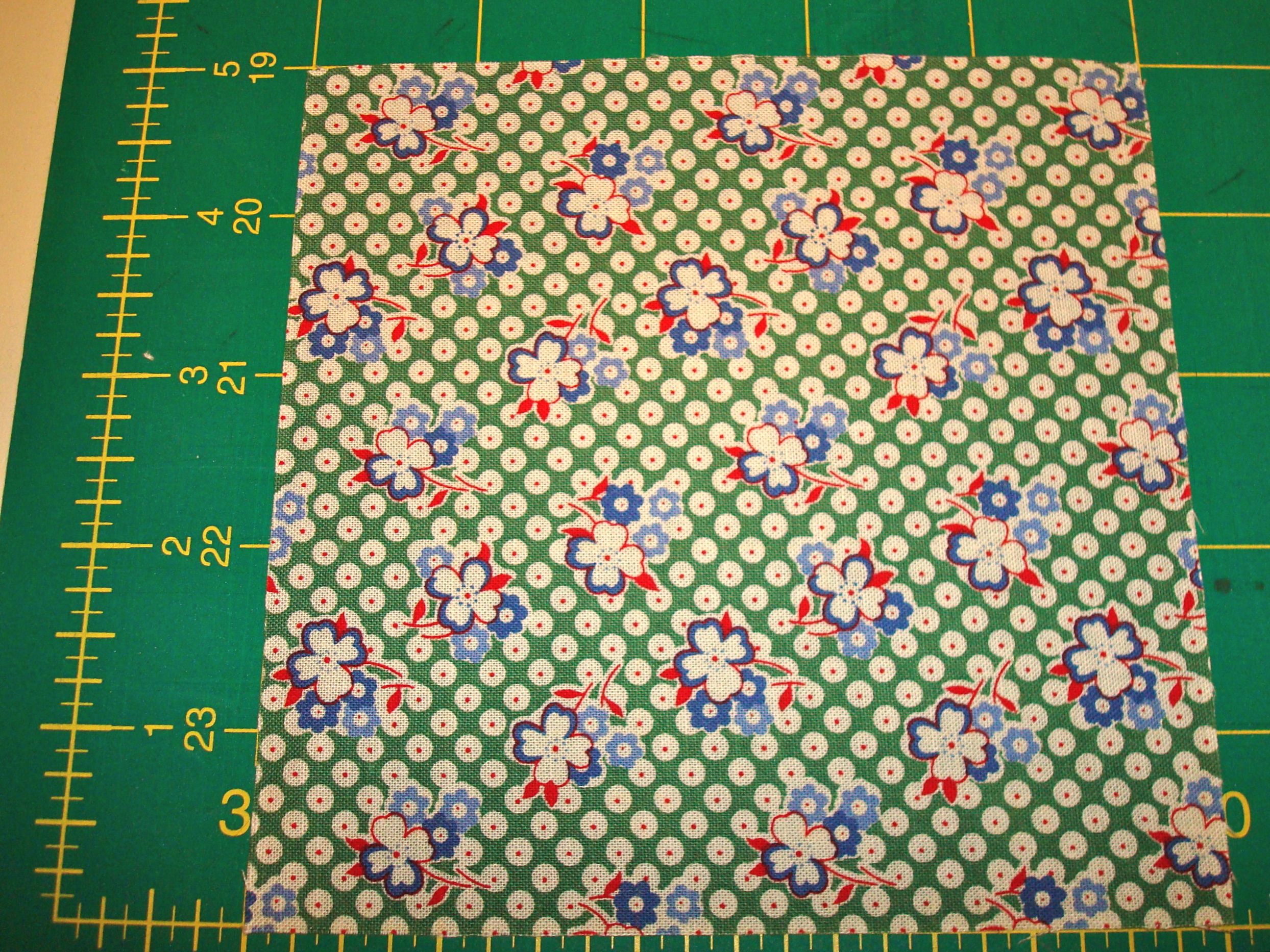
A charm square is simply a 5″x5″ cut of fabric – usually quilting weight cotton.

Single charm square laid out on cutting mat - size is 5"x5"
Single charm square laid out on cutting mat – size is 5″x5″

Charm squares are available as pre-cut sets (normally around 40 squares to a pack) and retail for $8-$10 per pack.  You can also cut your own charm squares using your favorite cutting method – scissors, rotary cutter & ruler or a die-cut machine such as an Accuquilt Go!

Examples of pre-cut charm squares

One of the easiest projects for a beginning quilter/sewer (especially a kid/teen) is to make a charm square quilt.  Here’s an example of one currently in progress:

Charm square top in progress - 6x5 rows
Charm square top in progress – 6×5 rows with 2-1/2″ inner borders added.

The finished size of this baby quilt will be about 35″x40″ once the outer borders and binding are added.  For a first time quilt project, I suggest doing an “envelope method” for finishing the quilt and tying the corners where the blocks meet with six-strand embroidery floss.

Beginning sewing classes are commonly taught at quilt shops, craft retailers and sewing machine dealers.  A small quilt project such as this one is typically completed in a couple of class sessions or during a kids’ sewing/quilt camp during school breaks.  If you don’t see a particular class listed on the current class roster, be sure to ask.  If enough students are interested, the shop and instructor will do their best to schedule a class time that is convenient for everyone.

For those of you who prefer to learn DIY-style, here’s a link you might find helpful:
How to make a basic charm square quilt video

Happy Stitching!