Fall vibes

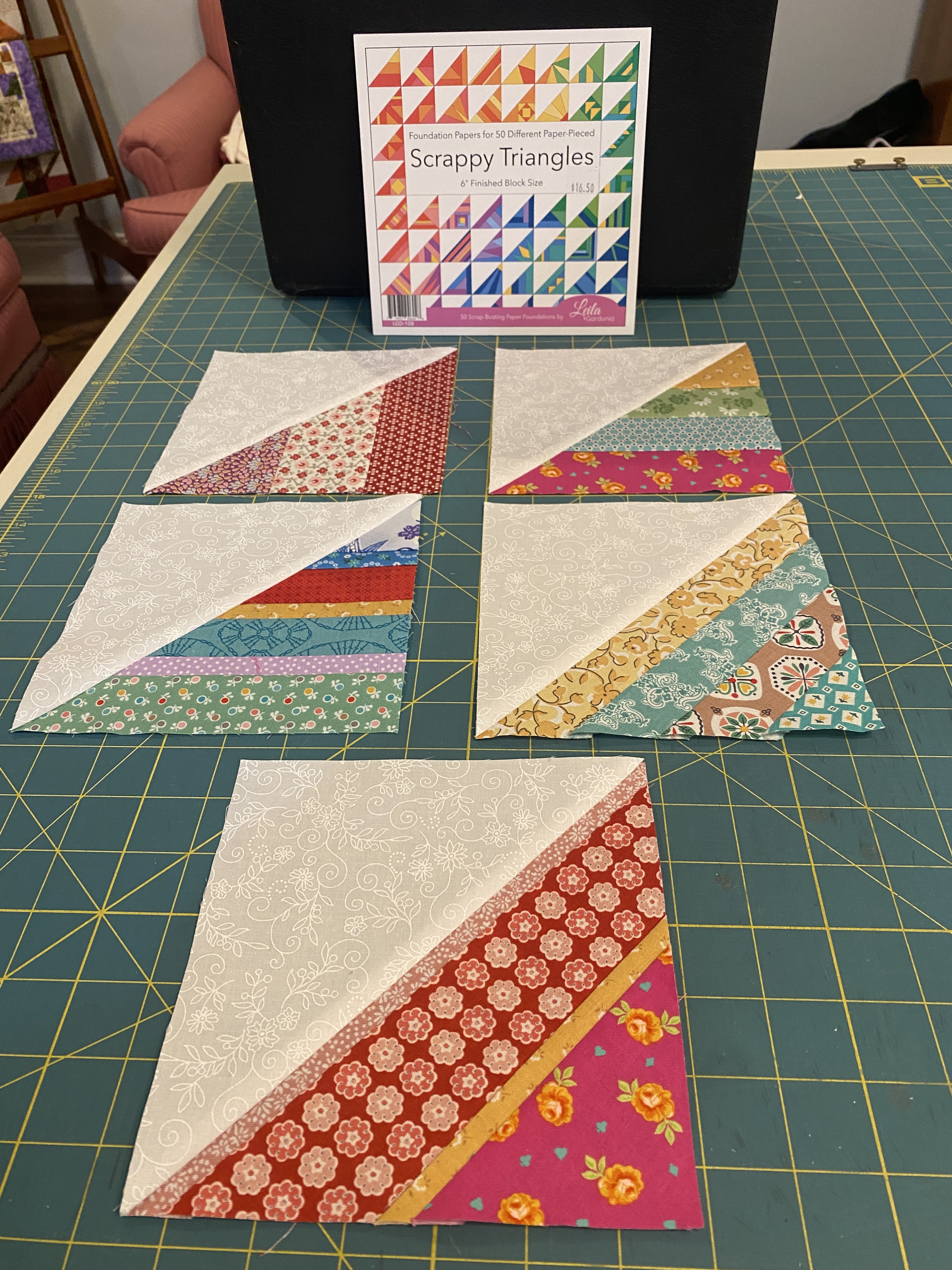
Cool, crisp fall days are upon us. It’s my absolute favorite time of year! This afternoon, I spent time piecing blocks on Fiona, my white Singer Featherweight. I had the windows open and smooth jazz on the playlist. It was glorious!

Fiona is a special machine. Like many FW enthusiasts, I wanted a machine that was manufactured the year I was born. I was fortunate to find a celery/white FW in extremely good cosmetic condition. Mechanically, she had more than a few quirks. Learning to address those issues taught me a lot! Now, she sews as beautifully as she looks.

On Friday, I was tasked with servicing a 1938 Featherweight that one of my Friday Sew Squad had purchased from a casual visitor to the library’s quilting group. It was untested, but the seller assured my friend that it had worked prior to being packed away for at least 10 years. Yep, she was right about it being packed away for at least a decade. The machine had been sitting in the case so long that the lug belt disintegrated. The tiny, rubbery bits literally superglued themselves to the motor pulley. I had to soak the hardened mass in sewing machine oil and remove it bit by bit. The rest of the machine was in decent shape – oil, lube and a good wipe down were the main things she needed.

I suspect tension issues are what caused the machine to be packed away. This old girl may have a 1938 chassis, but she also sported a number of parts from newer machines – chiefly, the motor, bobbin winder and tension assembly. Someone had installed the parts to the upper tension assembly in the wrong order. I fixed that. Still had issues with the tension. Tried a different bobbin case. Problem solved.

My next task will be to disassemble and clean the original bobbin case. I’ve never done this before, but something seemed off on the bobbin case latch. I ordered a new tension screw and bobbin case spring just in case. Fun bit of trivia: a business card in the FW accessory box was from a quilt shop in south Georgia that has long since closed. Put it this way – the web address listed on the business card was a page hosted on Compuserve. It’s been a while.

Tinkering on Featherweights and teaching machine maintenance classes make me happy. My “shade tree” sewing machine mechanic activities now account for about 20% of my business revenue. I think that’s kind of cool.

How often do you buy quilt patterns?

I don’t buy quilt patterns very often and this week I bought two!

One is Silver Lake by Wendy Sheppard, which is part of a fundraiser QAL with Pat Sloan to support the Virginia Quilt Museum. It starts in January, 2026. When I saw the pattern, I knew it would be perfect for the layer cake bundles I’d been saving. I’ve already pulled all the 10″ squares I plan to use. In fact, I even purchased and cut out the background fabric this afternoon. Hint: the background yardage requirements are on the generous side. You could get away with 3.5 yards, if you cut carefully.

As usual, I made a sample block before cutting everything out. Notes: (1) If you are using 10″ squares, you have enough wiggle room to starch your fabric before cutting. (2) Use a scant 1/4″ when piecing. (3) The pattern doesn’t indicate which way to press seams. Consider pressing HSTS and major seams open to reduce bulk.

The other pattern is Clippings by Thimbles & Needles. The pattern’s controlled scrappiness is definitely my vibe. To me, the consistency of the same QST fabrics throughout the quilt is key to tying everything together. The quilt’s a single a block design, making it great for retreats, sew days or when I just want to sew without thinking too hard about it. I discovered the pattern while perusing class listings for the upcoming Myrtle Beach Quilt Party – and bought the pattern & printed out the registration form just in case!

The block – Combination Block, Split HST, Three Color HST or whatever you call it – isn’t hard to make. It’s one side of an HST married with one side of an Hourglass block. If you are a member of Team Oversize & Cut Down, then you’ll want to upsize cutting measurements given in the pattern. I added 1/8″ the HST cut square measurement and 1/4″ to the QST cut square measurement. Proceed to cut and sew the units together as directed in the pattern. Give the block a good press and trim to the required size. Tip: A square-up ruler in the exact size needed or the Tucker Trimmer will make the trim down part go much faster.

This time of year, I deliberately plan projects and activities to get me through to mid-February because the holiday season can be hard at times. Having an involved project like the Bonnie Hunter mystery quilt I did last year helps keep me engaged. I have a cross-stitch and two potential quilt show entries to finish this year. The January QAL with Pat Sloan and potential beach retreat at the end of January give me something fun to look forward to.

Quilt Patterns for Charity Projects

Oh My Stars! free quilt pattern from Pat Sloan

We all have our favorite patterns to use when making charity quilts – I certainly do. A fellow quilter, who is a prolific maker of things for different charity groups, highly recommended the pattern pictured above as one I should try. She mentioned that it’s fast to make, stash-friendly and the pattern’s free. So, I did.

All fabrics came from my stash. The charm squares are a mix of packs from Fig Tree and Sheri & Chelsi, plus some random 10″ squares I cut to size. The colors just went together.

Now that the top is completed, I’m not as crazy about the white border, but I think it will be fine with the scrappy binding I made. The goal for this quilt is to use what I have on hand. This means the backing will be made by creatively refashioning a 2-1/2 yard piece of green polka dot fabric into the size I need.

My friend was spot-on about the suitability of this pattern for making charity quilts. It’s easy to make and lends itself to any number of color ways and themes. Bonus? The components fit into a quart size zipper bag, making it a great candidate to take for a retreat or sew with friends project.

Now that I’ve made one, I thought I’d share some tips:

  1. Select a light to medium tone-on-tone or small print for the border that contrasts well with the star fabric.
  2. Utilize the “float the star points” option by cutting the border fabric 1″ wider that called for in the original pattern. Pat Sloan offers a separate free download with instructions for this modification. The 1″ of extra fabric helps avoid cutting off the star points when applying back-to-front binding.
  3. If using pre-cut 5″ squares, confirm they are indeed the correct size and trim as necessary.
  4. Arrange all 80 charm squares in the order you’d like them in the quilt. Take a photo with your phone. Stack the squares in order and label each row.
  5. Pay close attention to how borders are pieced and the order in which they are sewn to the top.

And yes, I added this pattern to my core collection of charity quilt and gift quilt patterns!