Exploring nature nearby

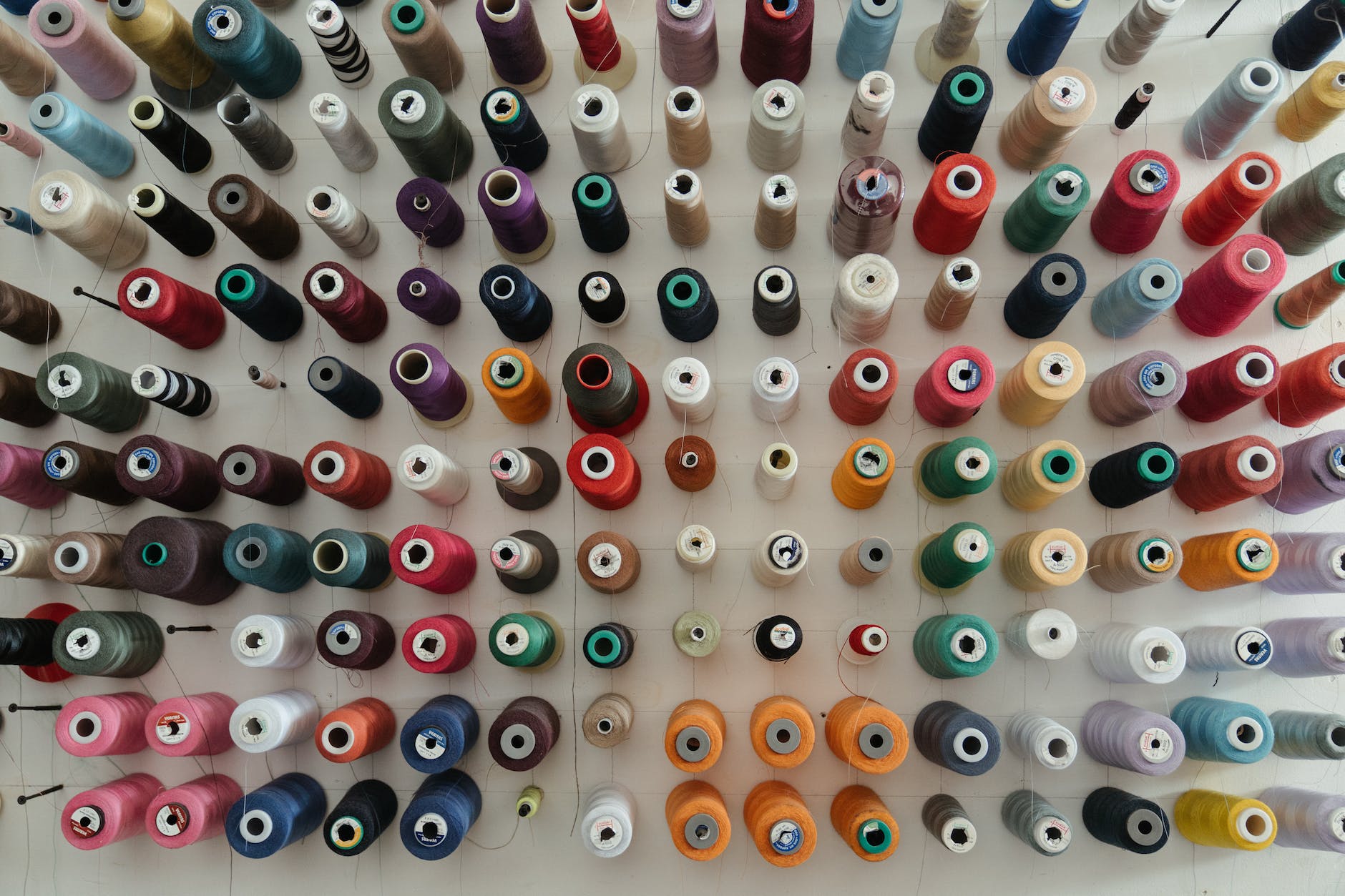
Sadie and I needed some outside time on Wednesday. It’s been a rather rainy, dreary week. We took advantage of a short break in the weather to visit a new-to-us park in North Atlanta. The Blue Heron Nature Preserve is 30 acres of wetlands, walking trails and an educational center that’s part of the City of Atlanta parks system. It runs along Nancy Creek and winds through several well-established neighborhoods located between Buckhead and Sandy Springs. If you are familiar with the area, it’s actually not far from Chastain Park.

A local organization operates summer day camps out of the facility, so I felt very safe walking the trails with all the people nearby. The trail map is a bit confusing because you actually have to walk on some streets to connect to the next segment of the trail. Now that I see how everything connects, Sadie and I will definitely return to do the other sections of the trail. Hopefully, we’ll be able to see some blue herons next time!

On the way home, I noticed that the Mount Paran Country Store was open. It’s 100+ year-old weathered convenience store that’s an icon in the area. Of course, we stopped to check it out! Sadie and I enjoyed a delicious sausage, egg and cheese biscuit Yum! Yum! I blew half of my daily WW points on that treat, but it was totally worth it!

Managing WIPs, UFOs and PHDs

In the past, I usually had no more than 2-3 projects going simultaneously – a charity quilt, QAL project and samples for the kid’s classes that I teach. Each quilt project is stored in an individual ArtBin satchel until the top is completed. The kid’s projects/supplies are bagged and stored in a large Rubbermaid tub. Rinse and repeat for new projects. This process served me well when I was working full-time.

Hello retirement! Over the past year, I have thoroughly enjoyed the opportunity to take quilting classes and the freedom to experiment with different techniques. My quilting space definitely reflects this! I even purchased additional Art Bin satchels to hold all the new projects. They’re all full and I’m not buying anymore storage bins! Time for a reboot!

What does my reboot typically involve?

  1. Making a master list of all outstanding WIPs, assessing each project’s status and prioritizing what needs to be done.
  2. Rehoming, breaking apart and/or tossing any project that I realize I’m not going to finish.
  3. Holding off on any new projects or classes for 3-4 months. This is the hardest, because I want to make all the things.

What’s my plan of action?

  1. No new projects for the next 90 days.
  2. Complete the 3 tops that are almost done.
  3. Quilt charity quilts myself and turn them in at our July guild meeting.
  4. Skip the Anna Maria Horner class in late September. (NBD really as the projects don’t strike my fancy.)
  5. Focus on sewing my own projects at upcoming retreat/Sew Days – pass on any “retreat projects”.
  6. Sort through remaining projects to determine stay/go status.

Merely completing steps 2 & 3 will free up valuable space in my studio. I’ll also be able to get back to work on 2 special projects that were put on hold while I indulged my urge to take classes, classes and more classes.

Here are three things I’m definitely going to do regarding future classes:
Be more selective about the classes I do take.
Be more willing to make pillows, hot pads and table runners instead of an entire quilt – especially if it’s a technique class.
Check my stash to see if I already have a required component or something else that will work for the class rather than buying one more ruler or doodad that I’ll never use after the class.

How about you?

One of the 3 quilt tops I’m trying to finish. Sadie decided this was a good spot for a nap. Silly dog!

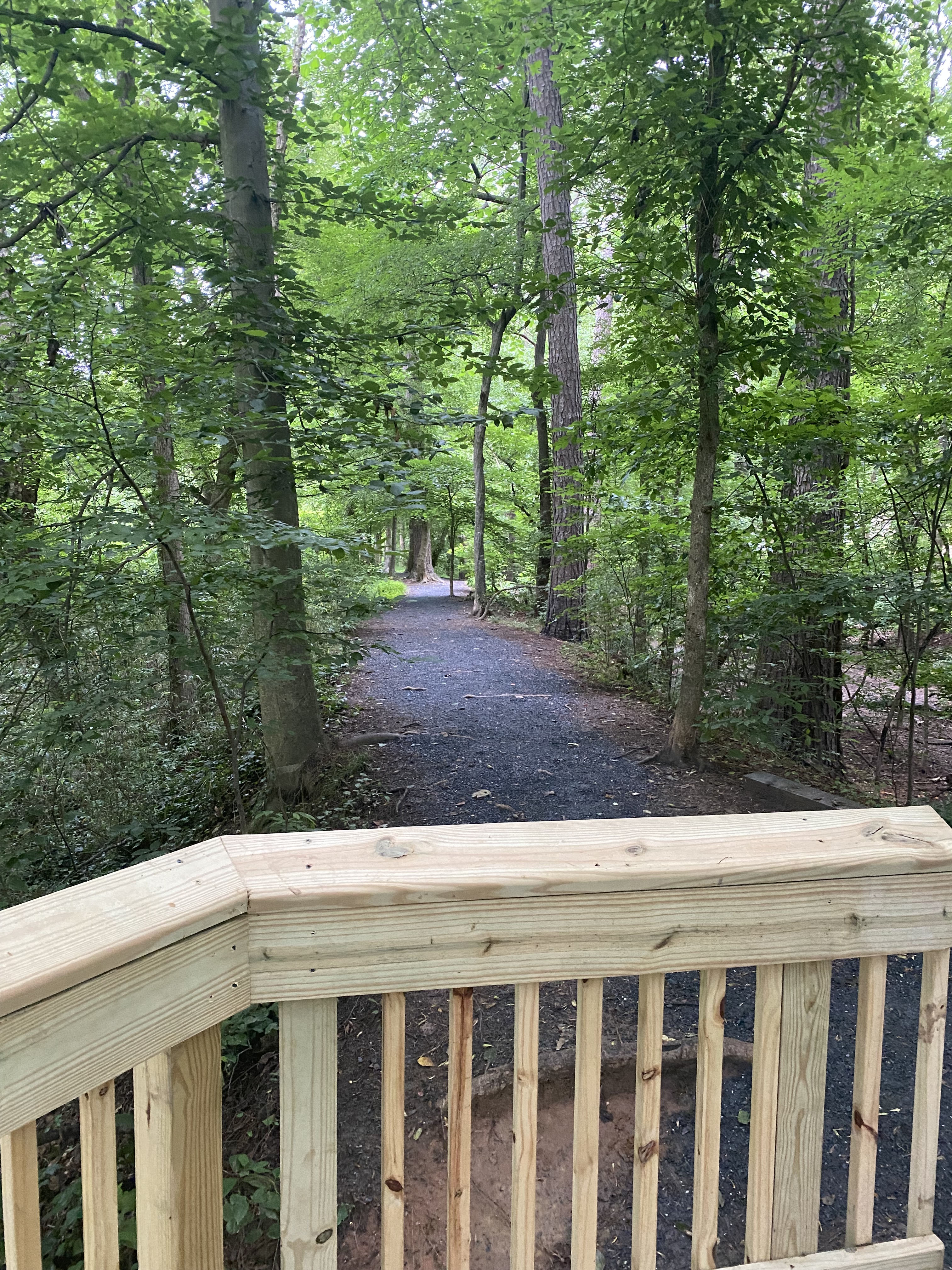
Thread

Thread has an expiration date.

If you have some of grandma’s cotton thread on wooden spools, or some old Coats & Clark polyester thread with a 10¢ price sticker, keep it in a Mason jar for decoration. Don’t sew with it. It’ll be a frustrating experience for you.

Thread choice depends on the type of sewing that you intend to do. For best results, always match your sewing machine needle to your thread and type of fabric. Consult your sewing machine manual for recommended needle size/type and thread combinations.

FWIW: Here’s what I use for various sewing applications:

Garment Sewing: Mettler Metrosene or Coats & Clark Dual Duty

Machine Embroidery: I do not own an embroidery machine. Ask your sewing machine dealer for advice regarding the best threads for your project. Know that you’ll need a top thread in the color of your choice and a specialty bobbin thread in white or black.

I had an interesting conversation with customer today at Sadie’s sewing machine shop. The customer was adamant that she had to use 100% cotton thread on an embroidery project that was made from cotton. I informed her most embroidery threads were 100% polyester. Wish you could have seen the “mind blown” look on her face. Actually, you can use either cotton, polyester or rayonthread when doing machine embroidery. It really depends on the look you’re going for. Sulky has a good article explaining this here.

What about quilting?

Piecing: My personal preference is to use a 50 wt cotton thread. Popular 50 wt cotton thread brands that I use: Aurifil, Mettler, Gutterman, Madiera, Cotton + Steel (made by Sulky). If you are at Hobby Lobby and run across Sewology cotton quilting thread on the beige spool similar to Aurifil – grab it while you can! I stocked up when my local Hobby Lobby stores discontinued this thread.

Machine quilting: My longarm quilter uses polyester thread for machine quilting. So do I. My current favorite thread combo is AeroQuilt by Madiera (40 wt) for the top and Sew Fine by Superior Threads (50 wt) in the bobbin. Honestly, I’ll use whatever I have on hand that’s the best color match for the project. I’ll use Sew Fine top & bottom if I want my quilting to blend in more. I’ve also used Isacord, but it tends to be a bit shiny for my taste. I have yet to try Glide or Wonderfil for machine quilting. For kitchen textiles that could be used in the microwave, I make sure I use a 100% cotton thread – usually the same thread I used for piecing.

Photo by cottonbro studio on Pexels.com